Moreton Bay Shellfish Reef Restoration

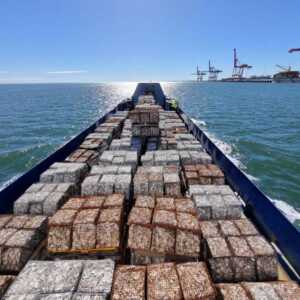
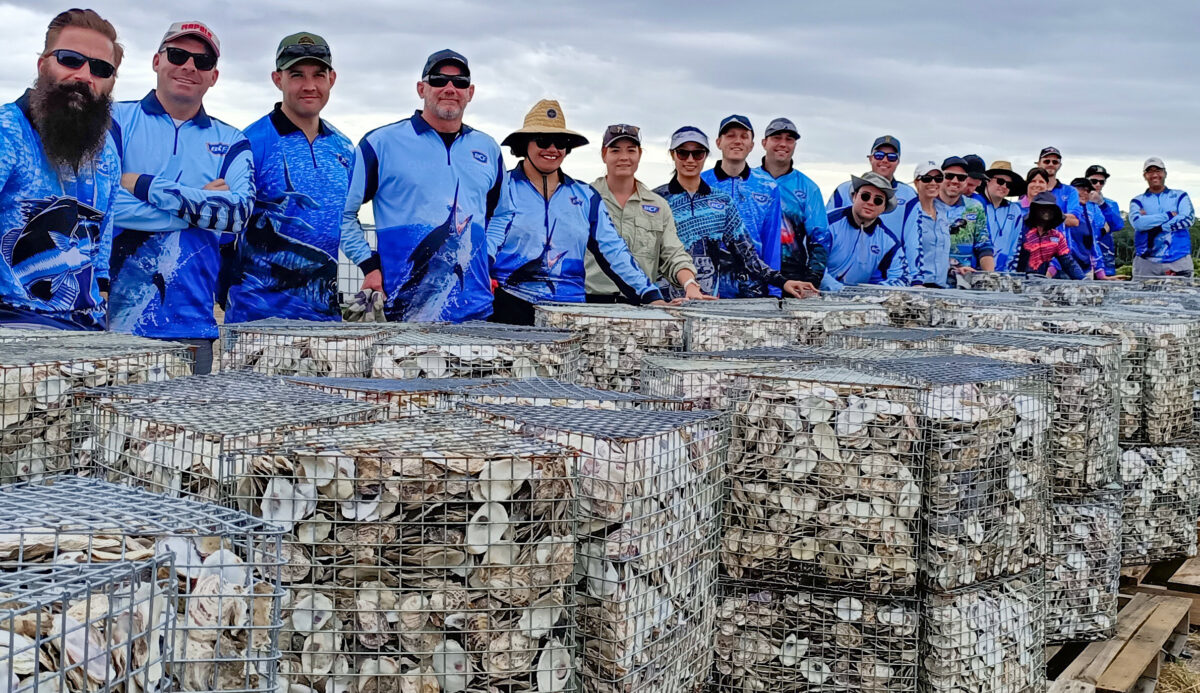
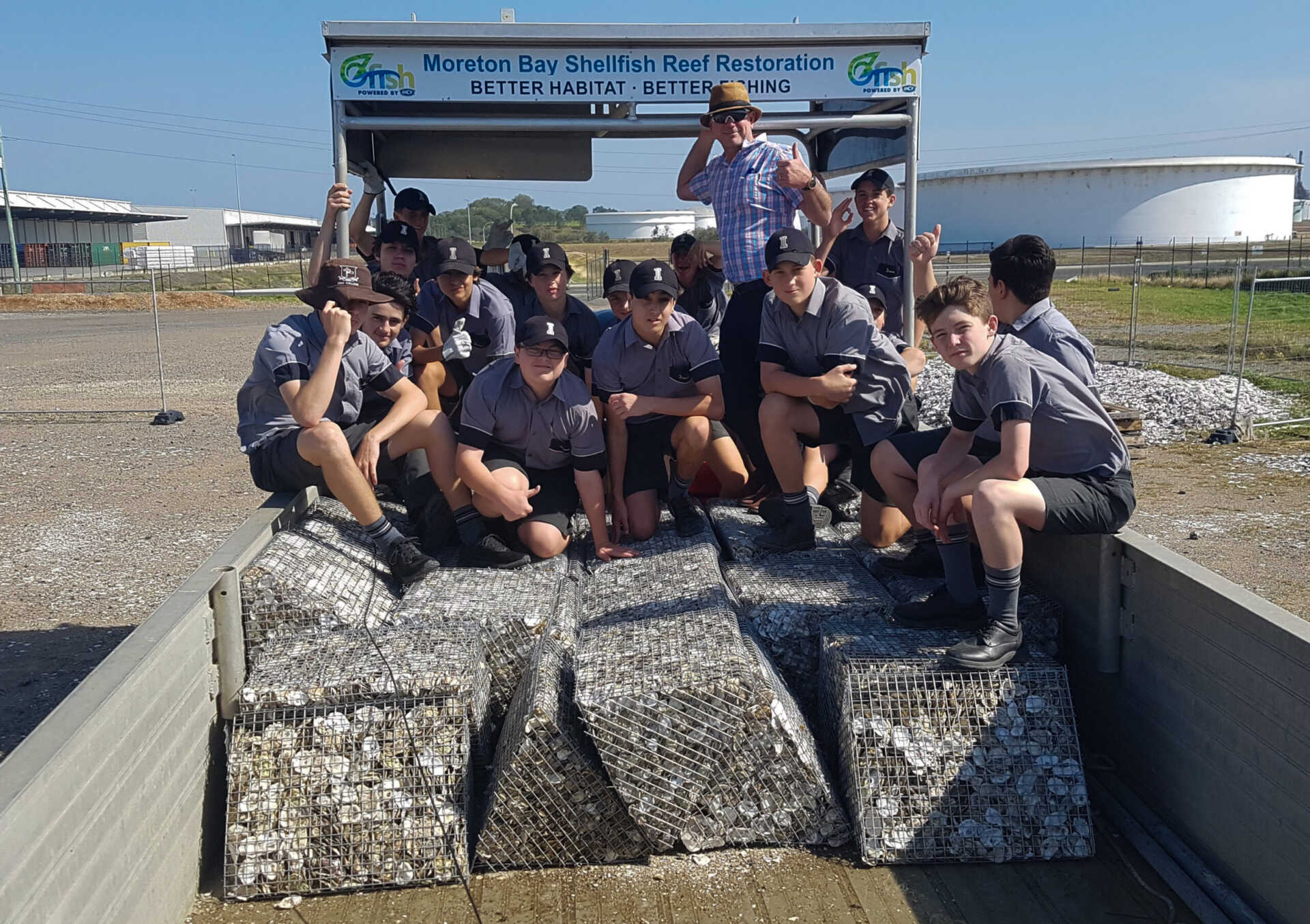
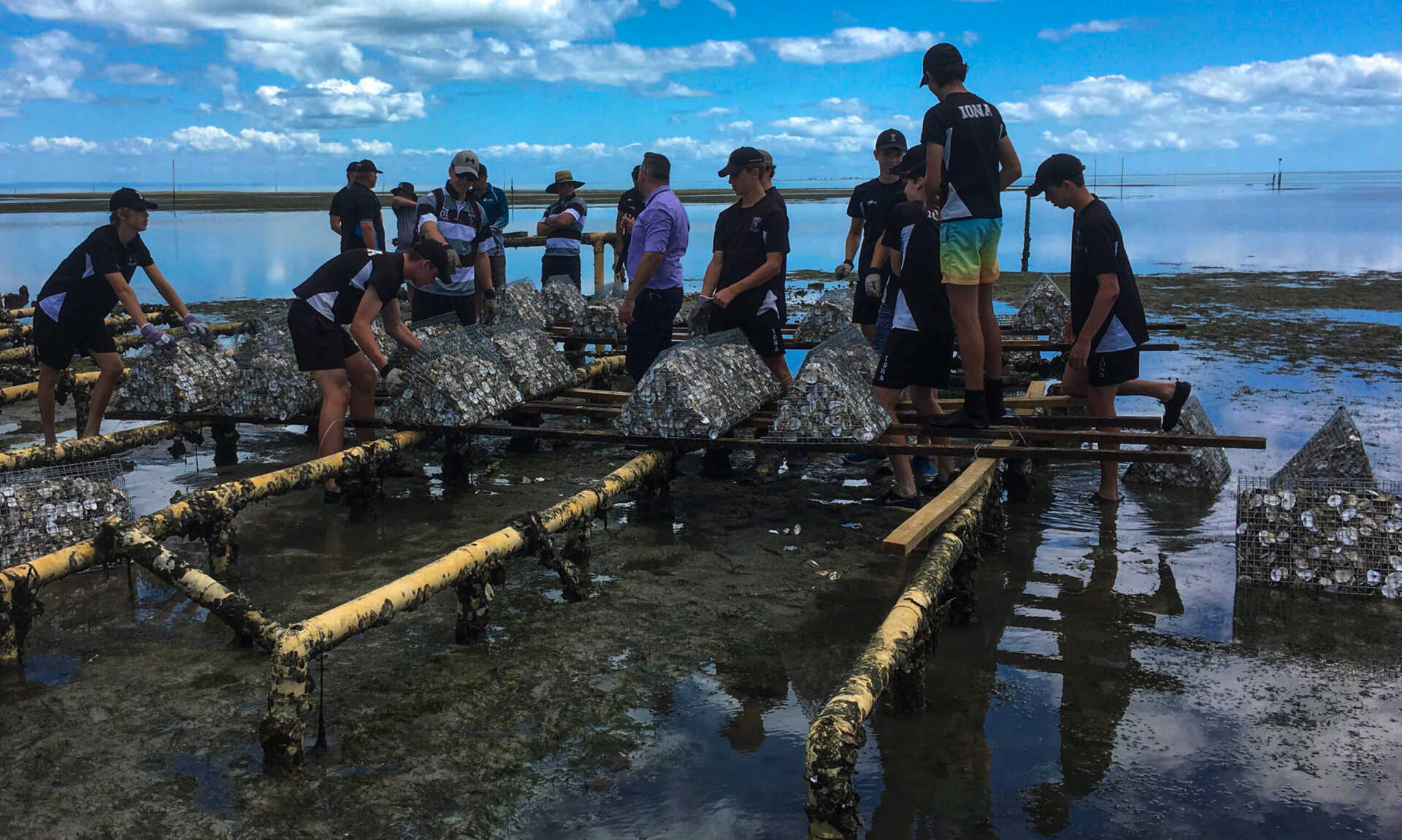
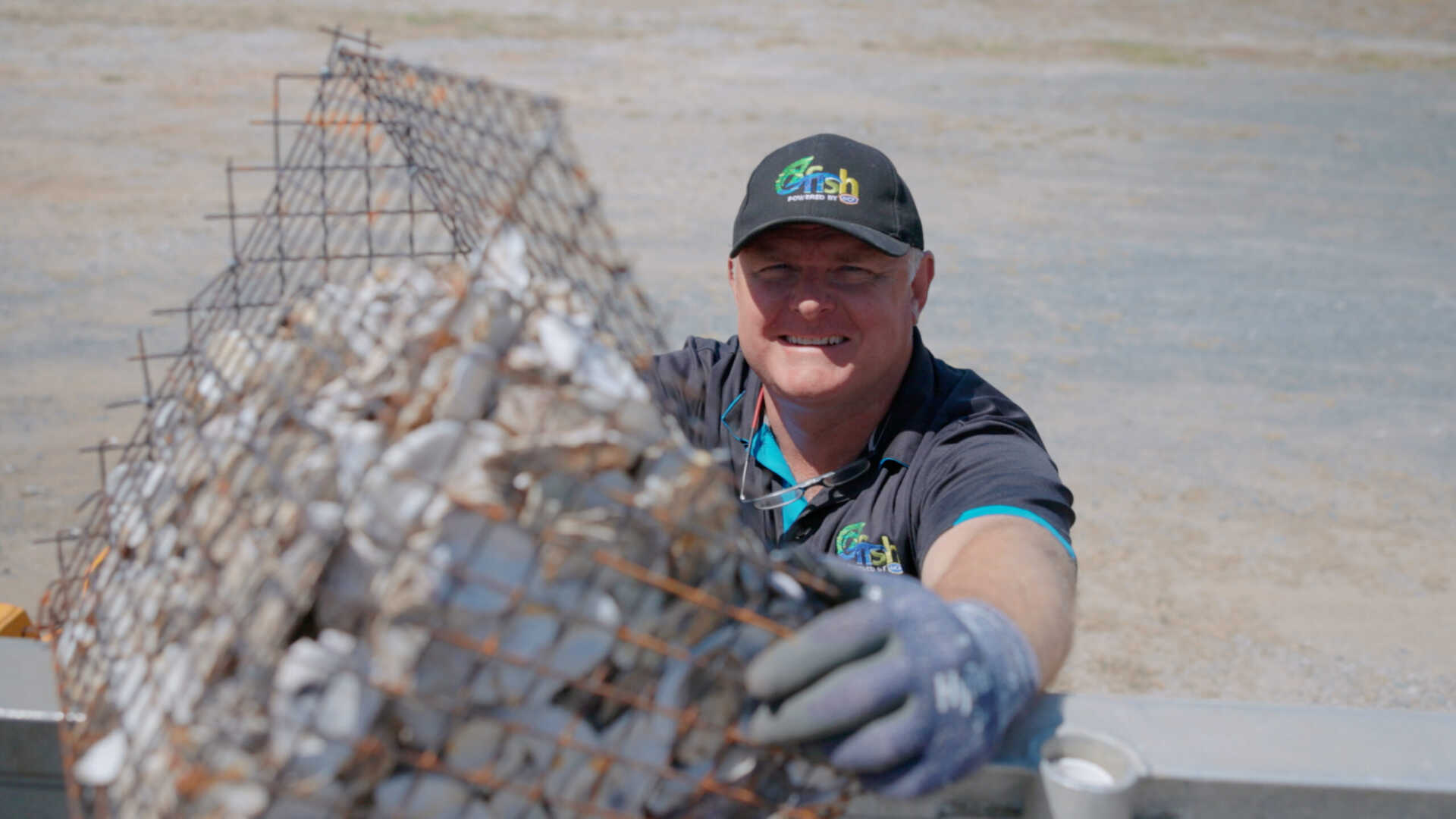
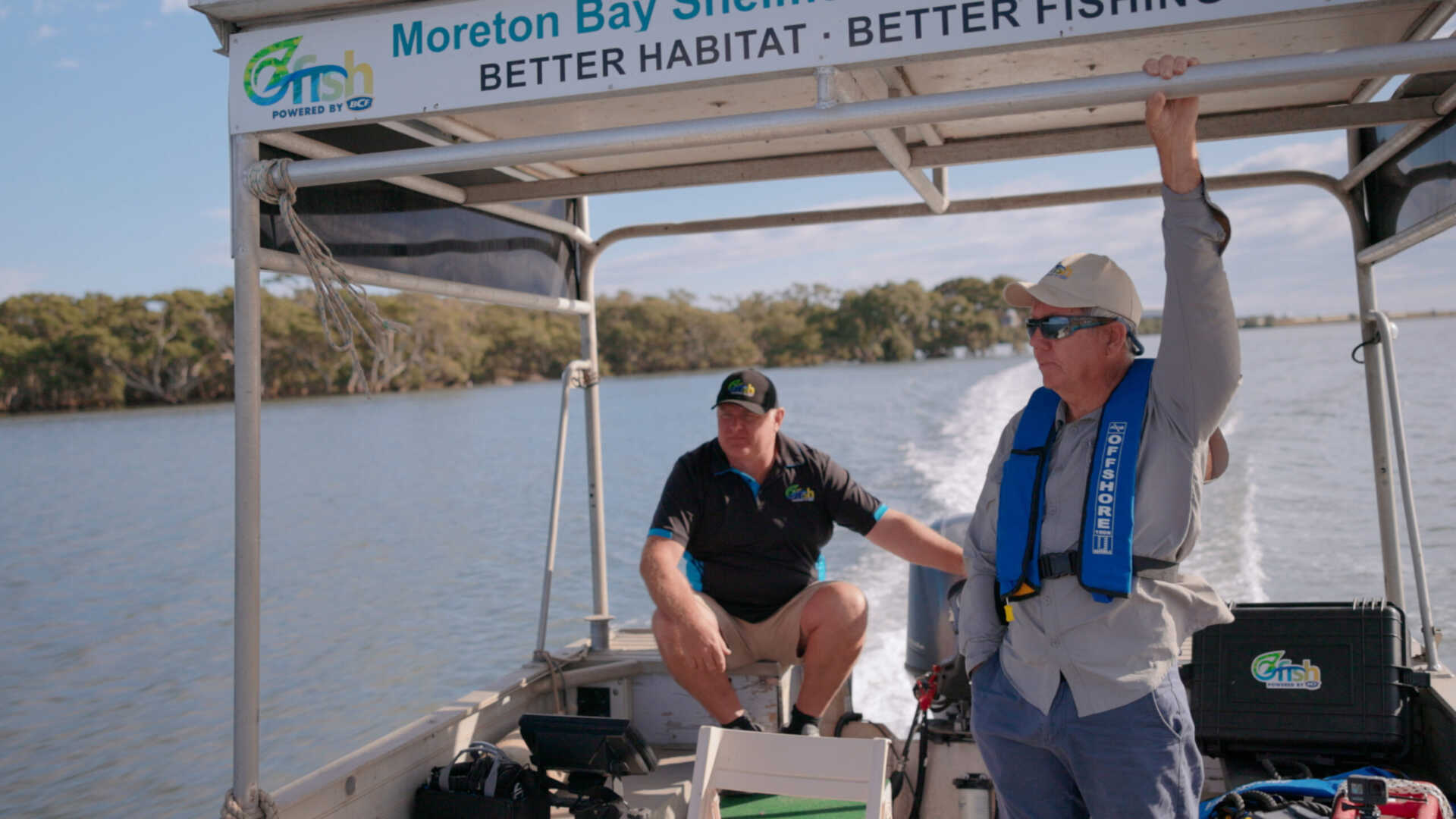
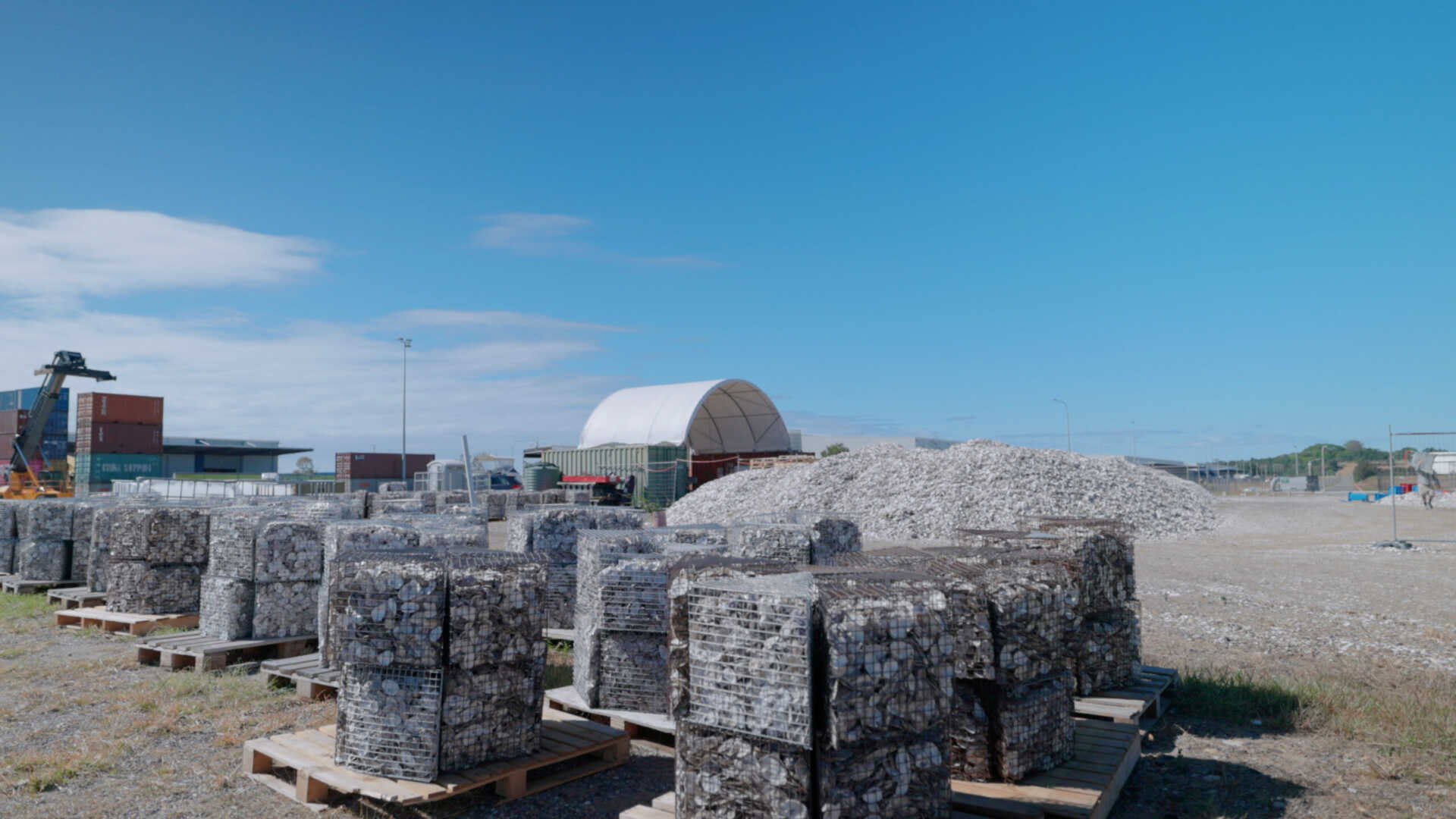
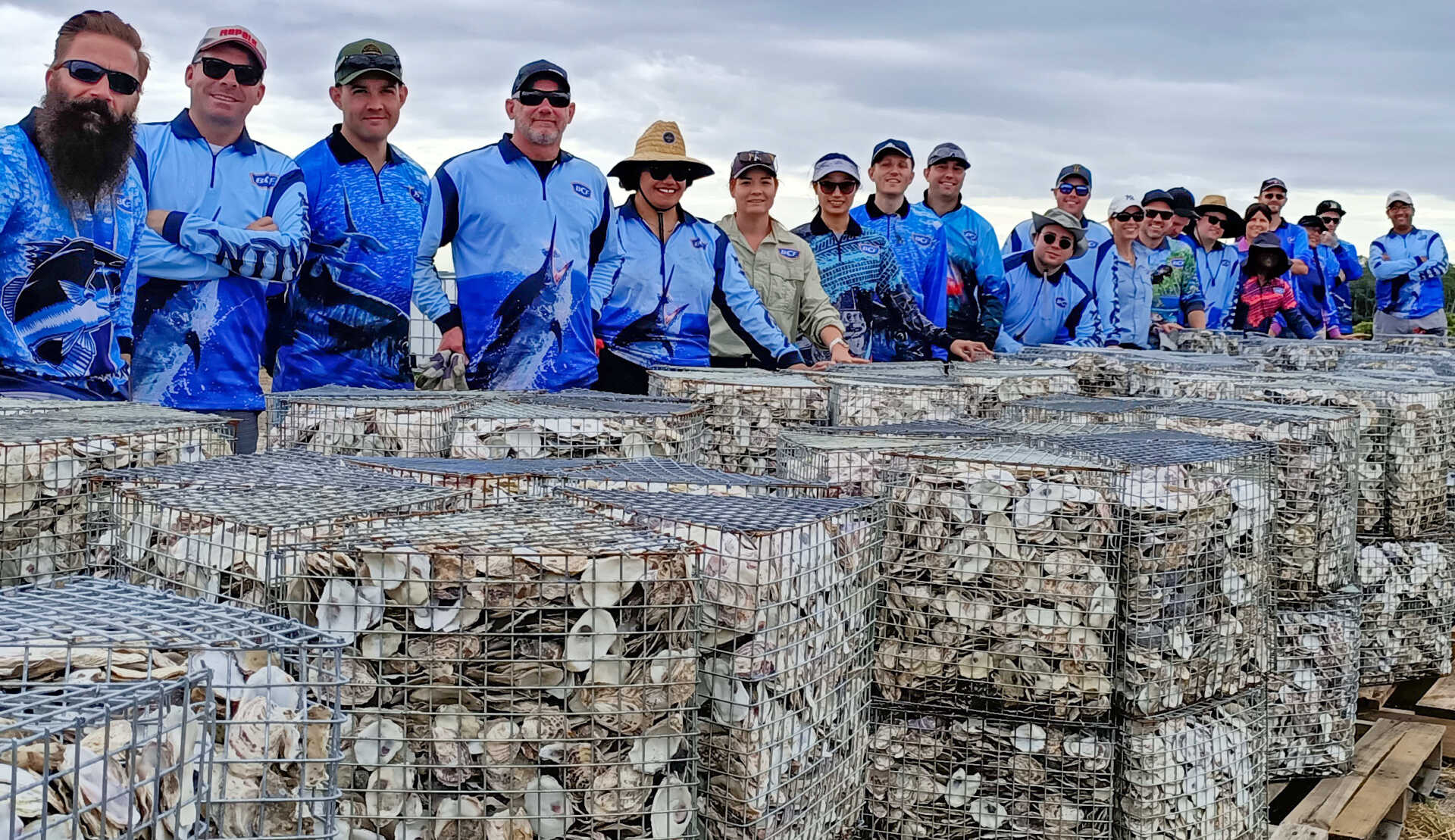
Over the next six years, volunteers will build more than 50,000 Robust Oyster Baskets (ROBs) and deploy them to reform a living vibrant ecosystem donated for restoration by the Port of Brisbane.

hours volunteered
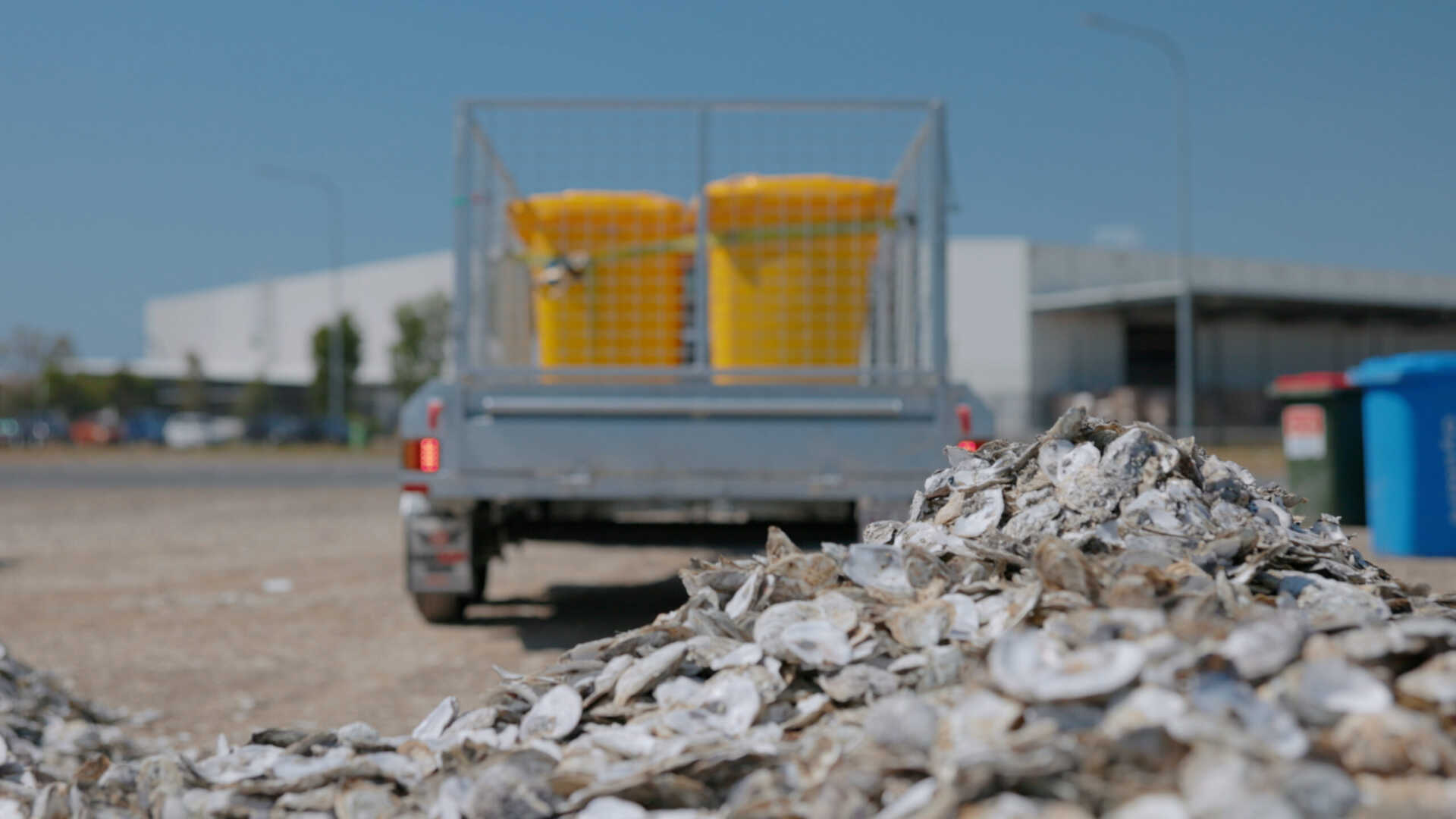
of shell diverted from landfill
R.O.Bs deployed

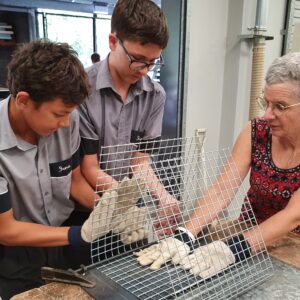
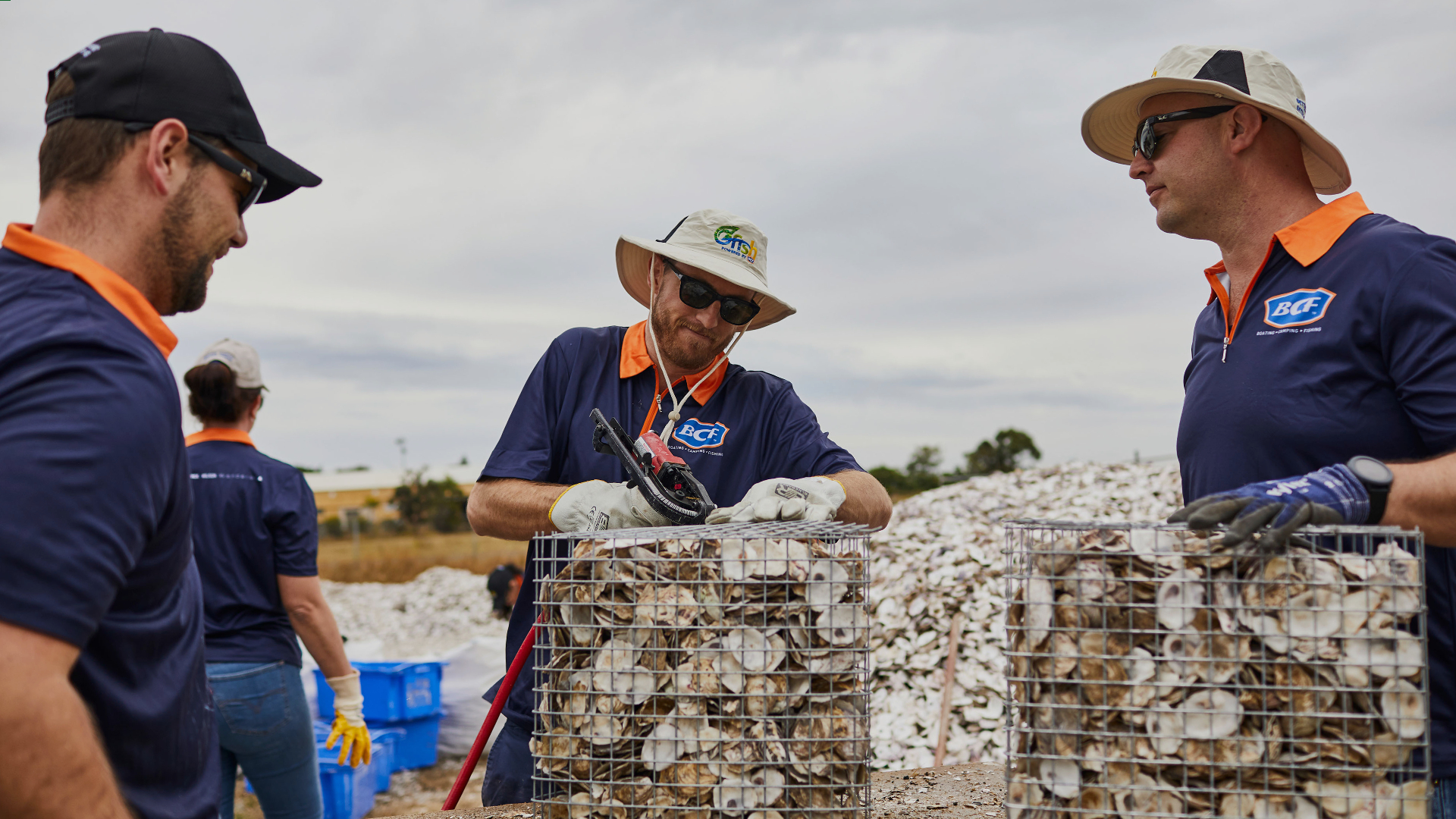
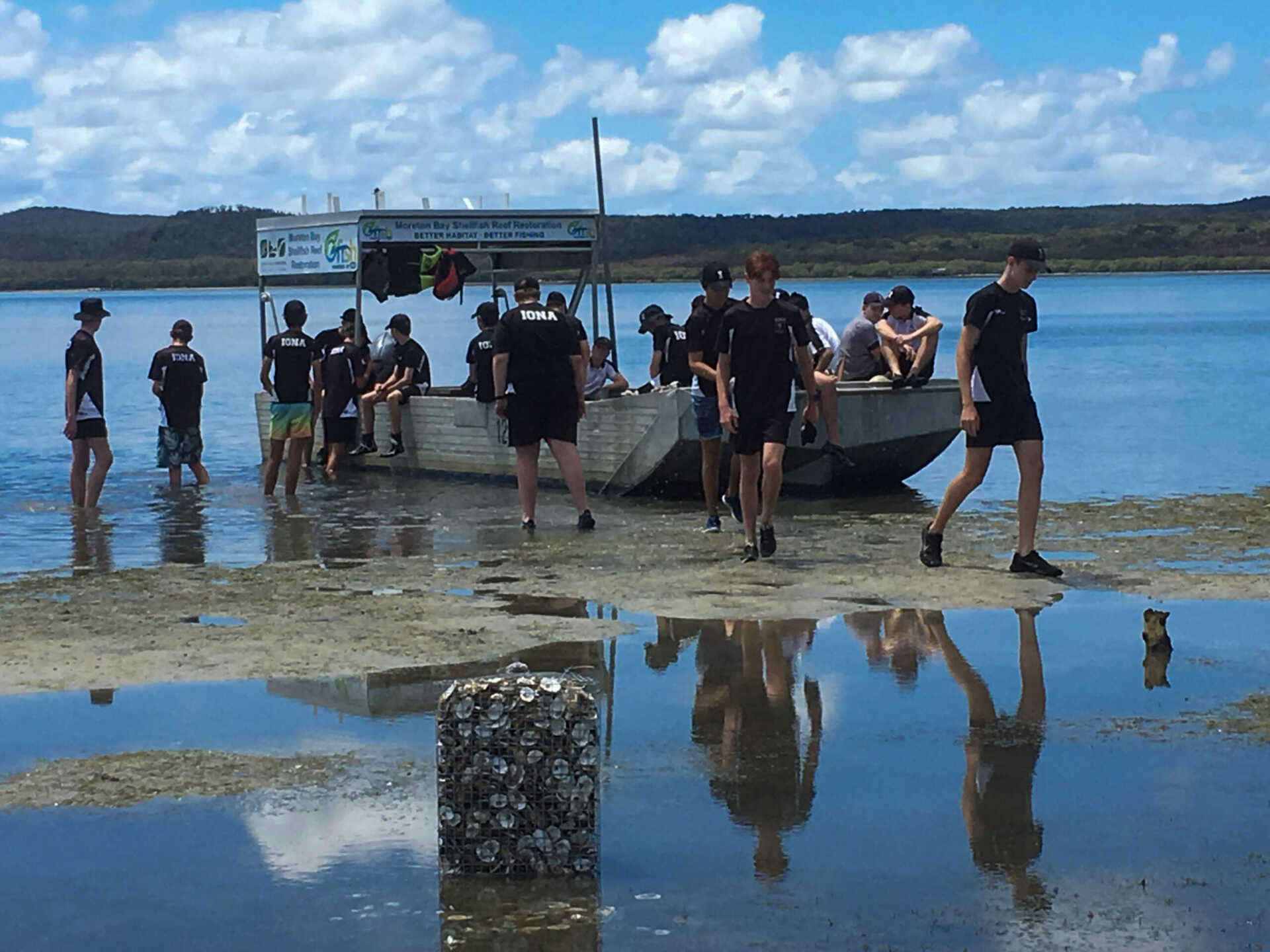
Help us build ROBs at the Port of Brisbane

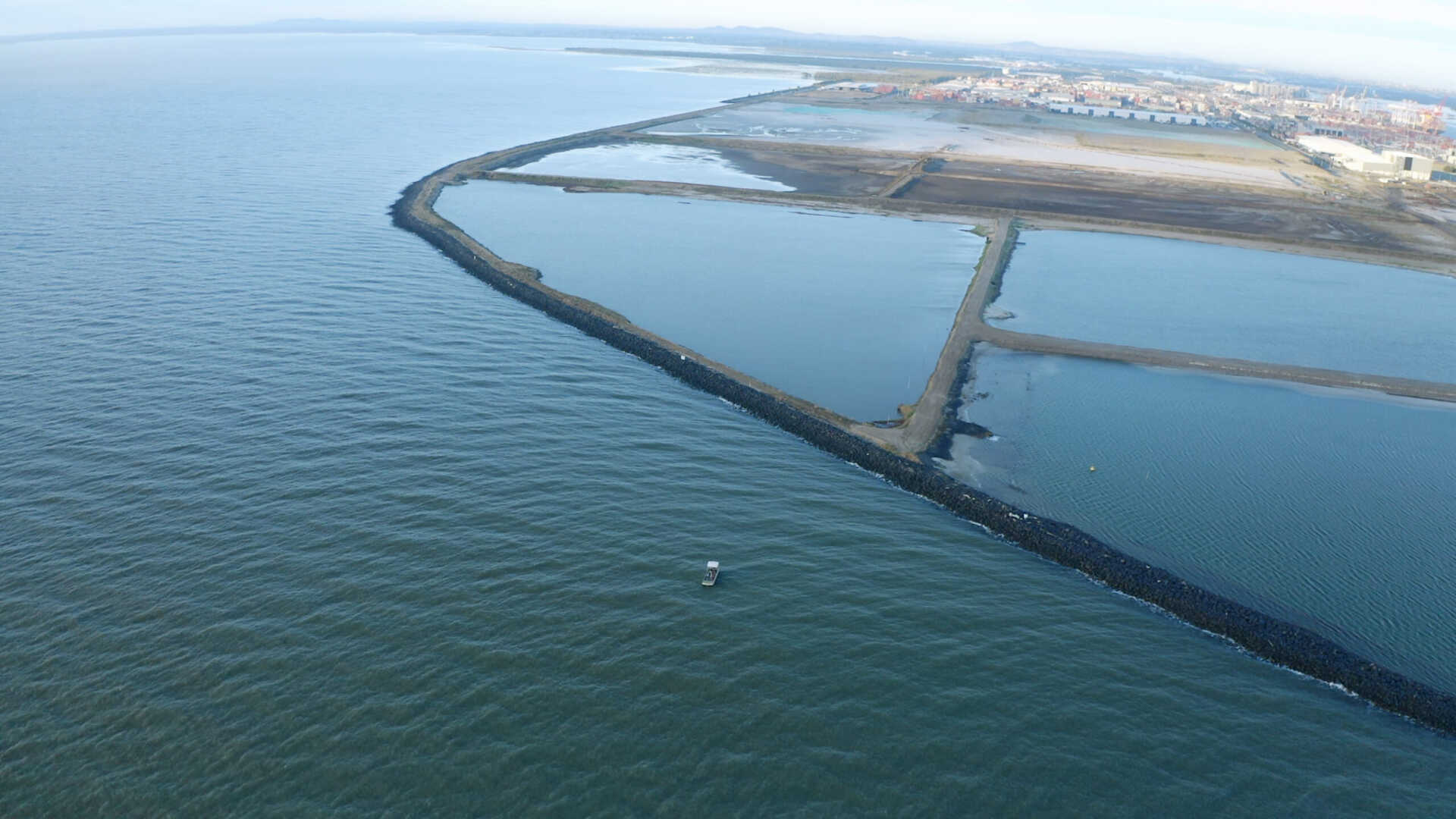
Oyster World in Central Moreton Bay

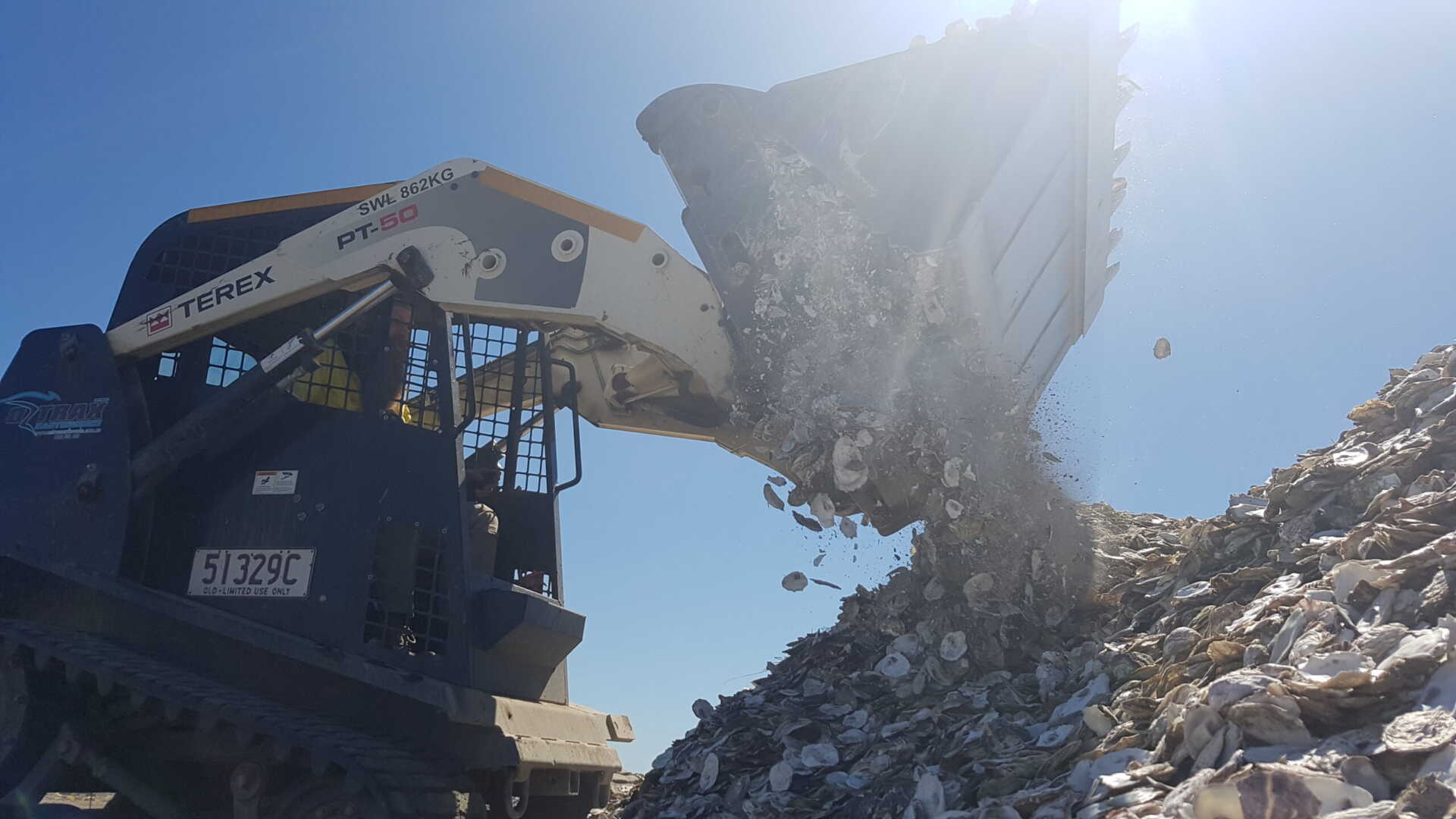
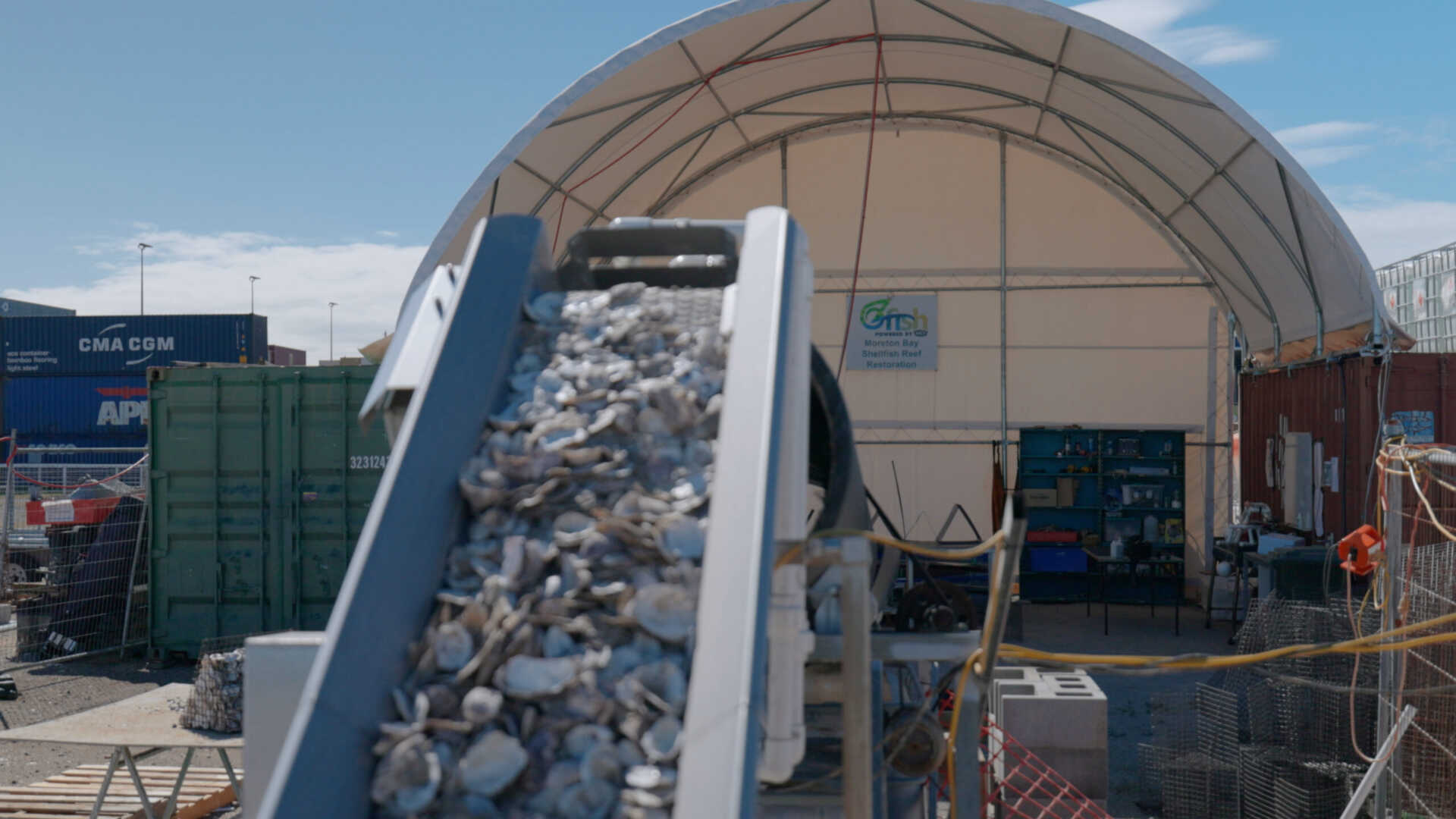
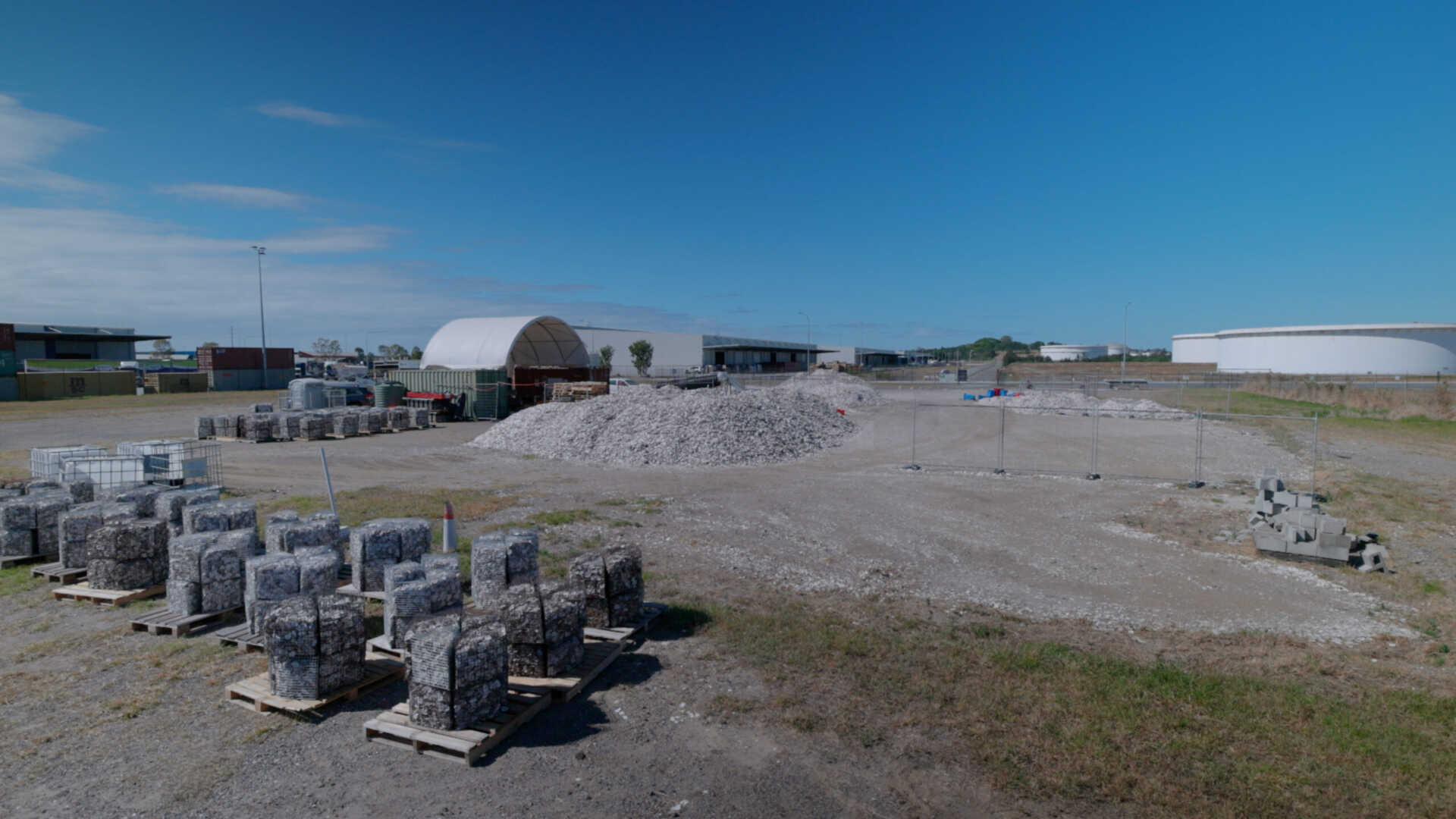
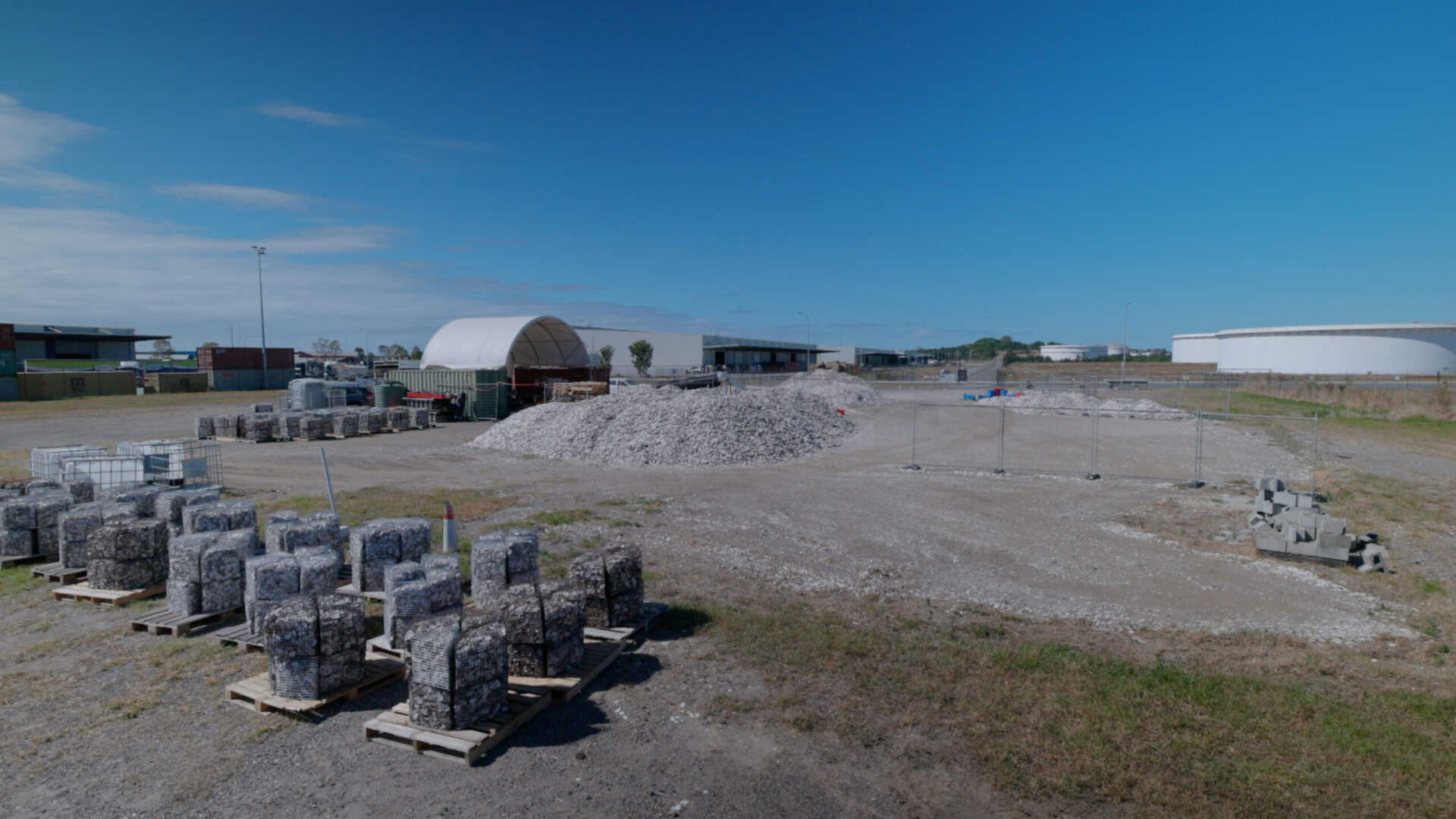
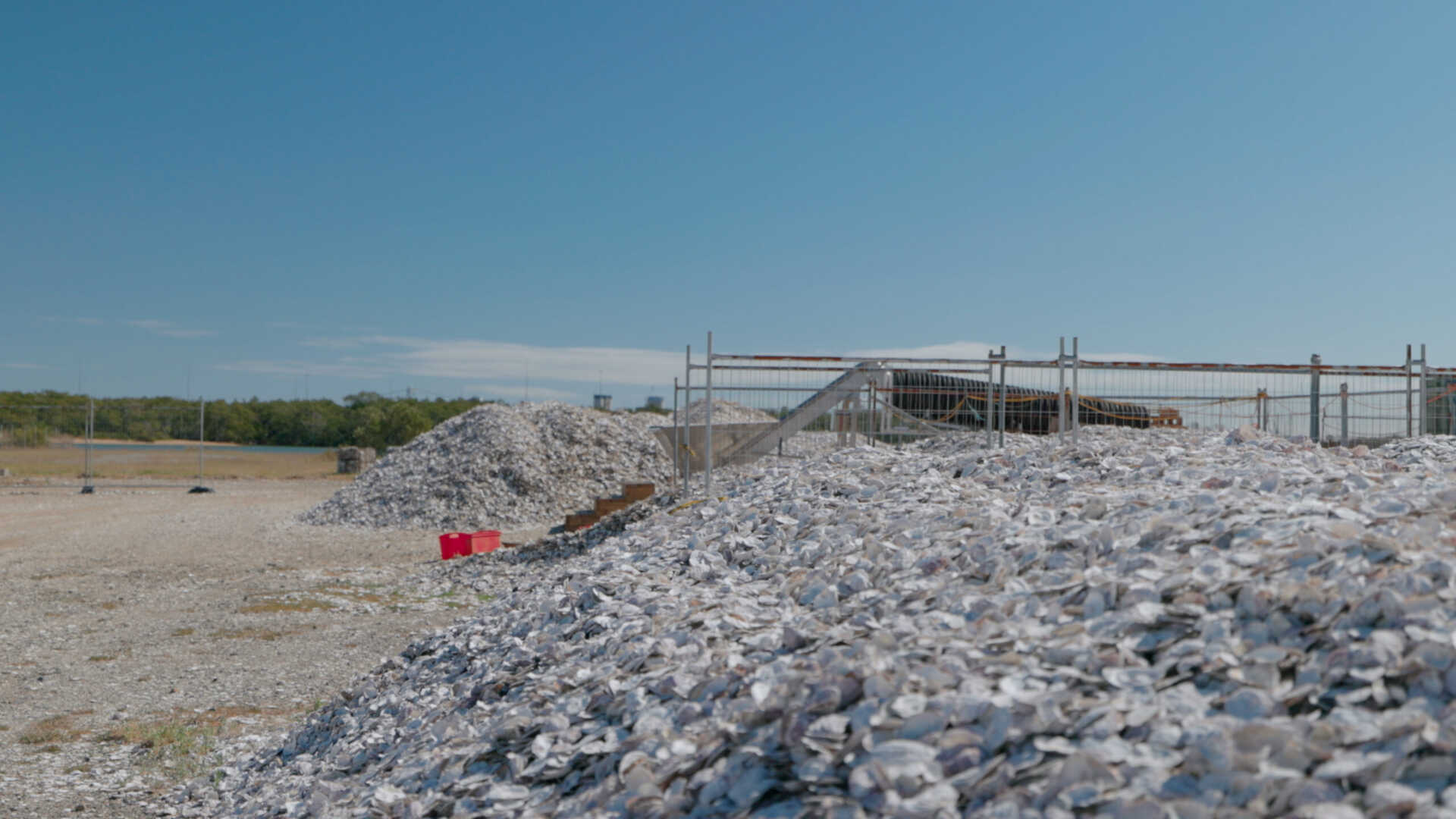
Moreton Bay Shellfish Recycling Centre

The establishment of the Moreton Bay Shellfish Recycling Centre is just one part of the journey to restore Moreton Bay’s shellfish reefs.

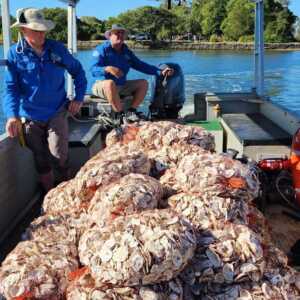
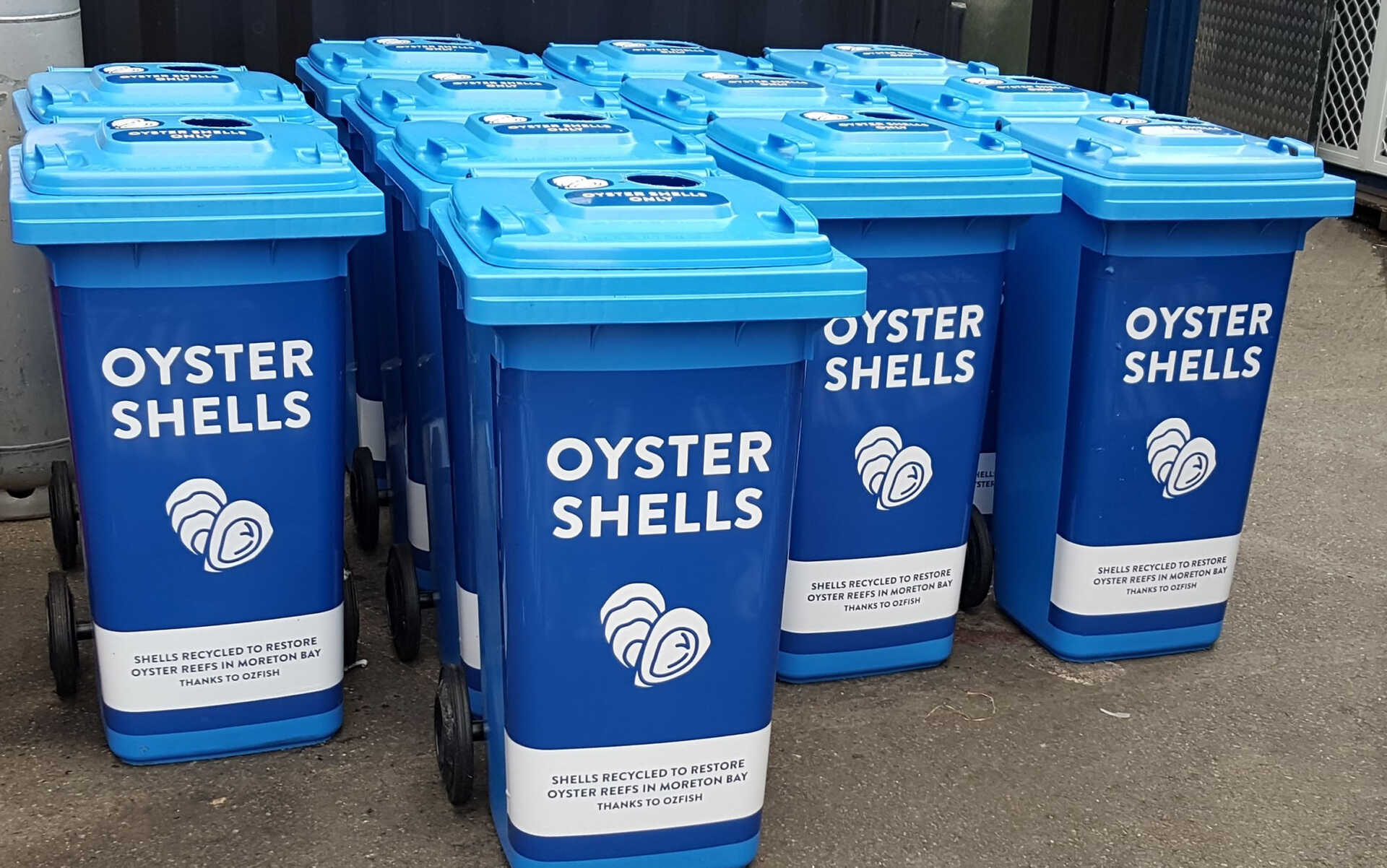
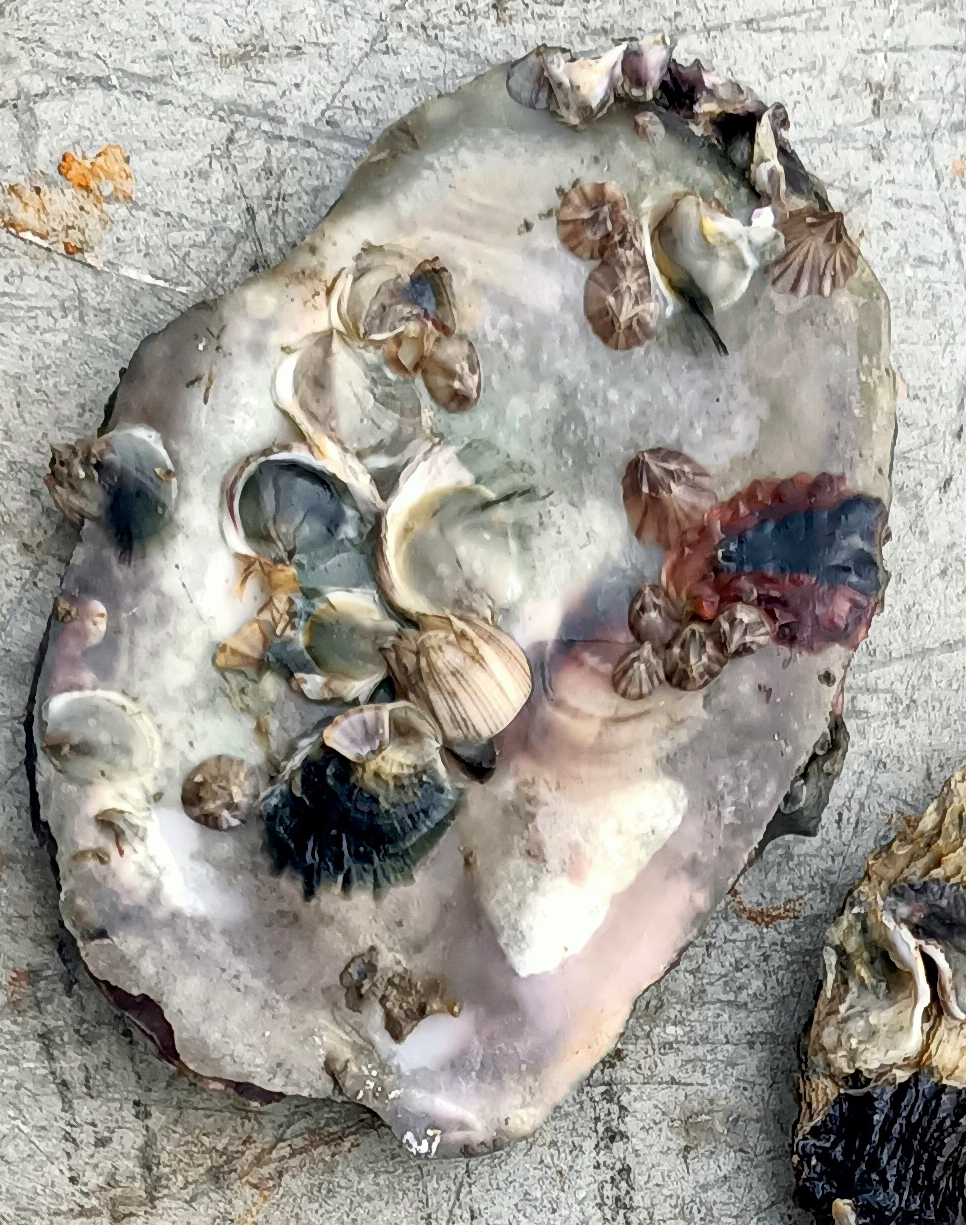
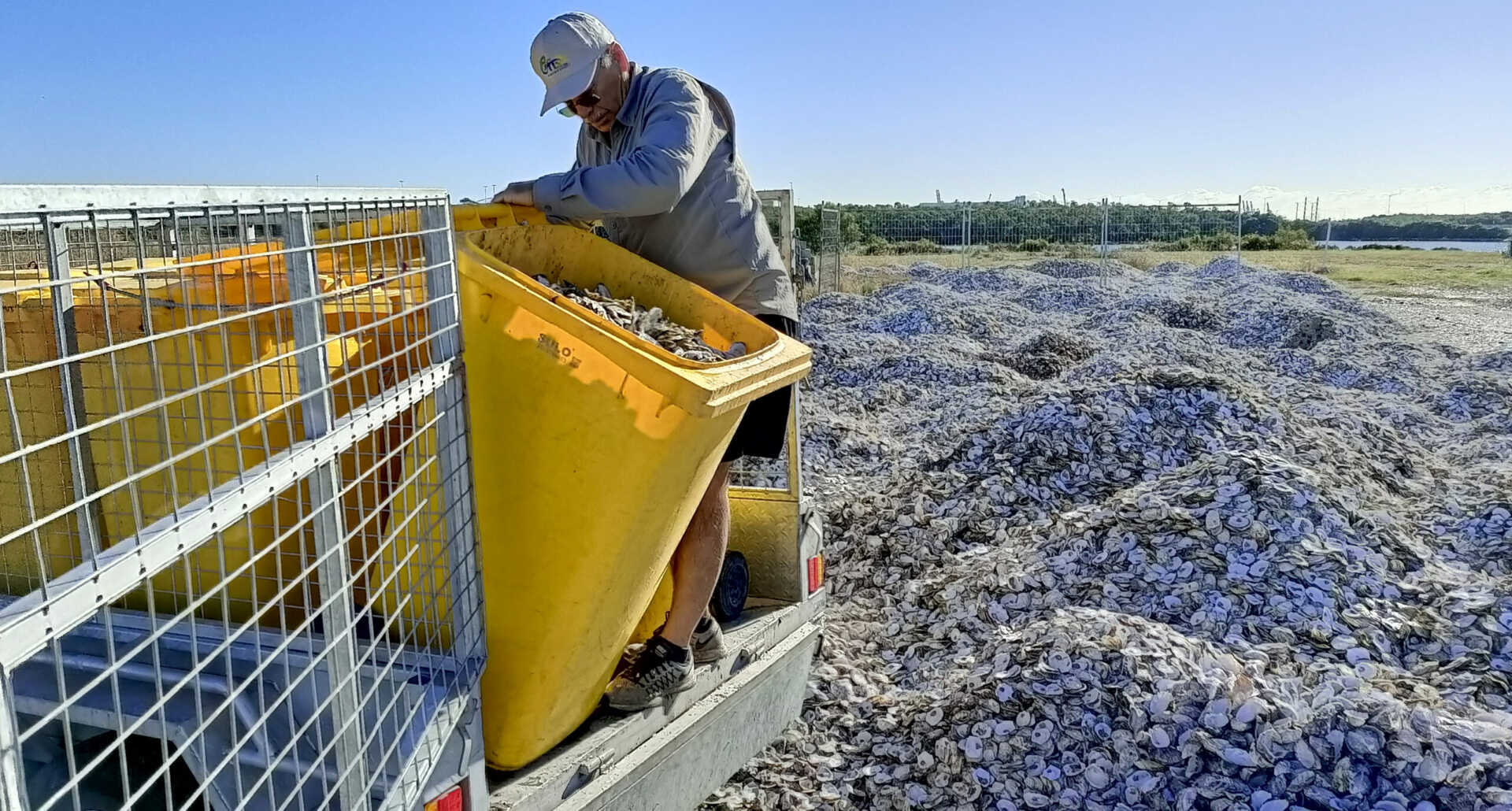
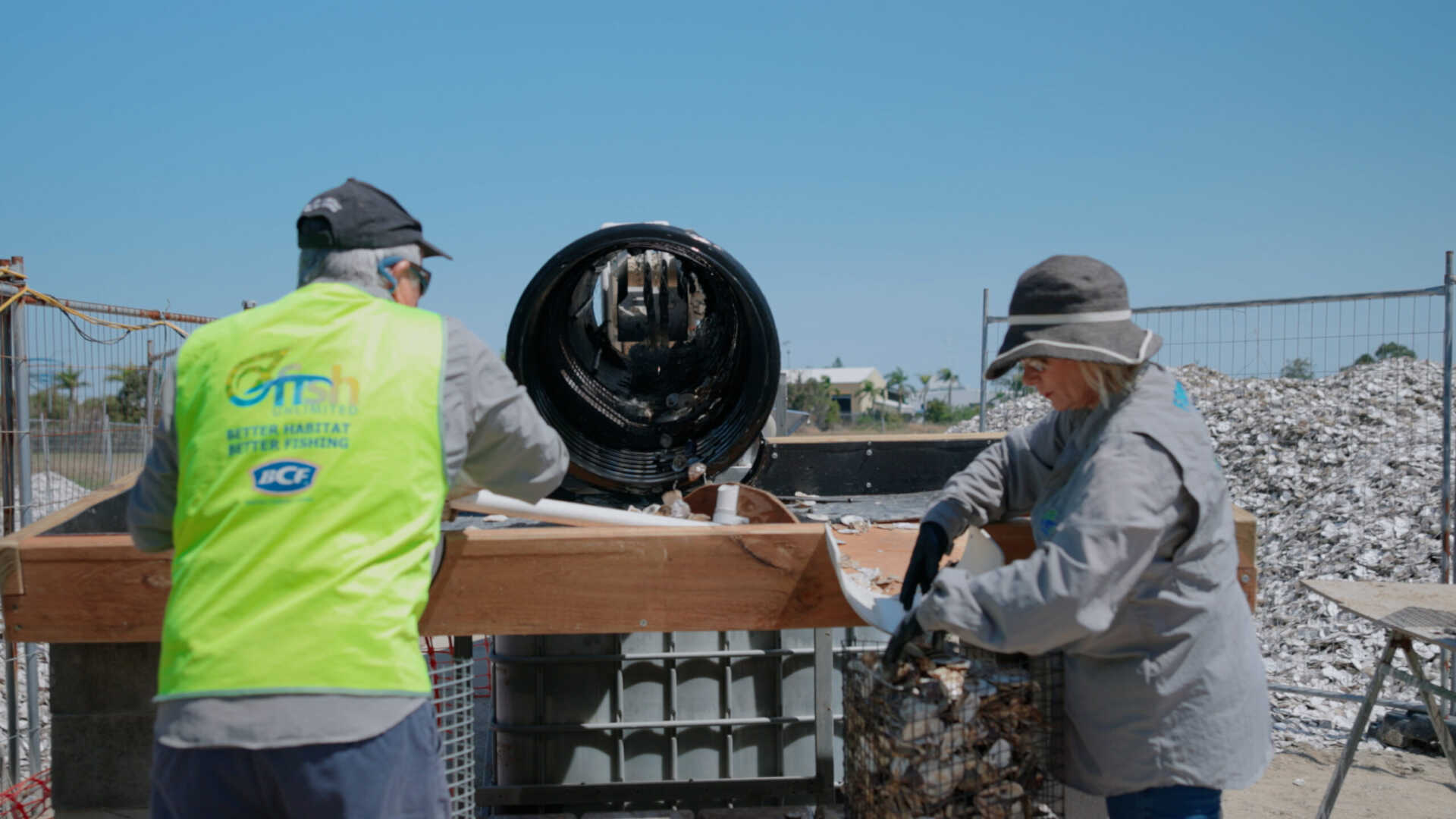
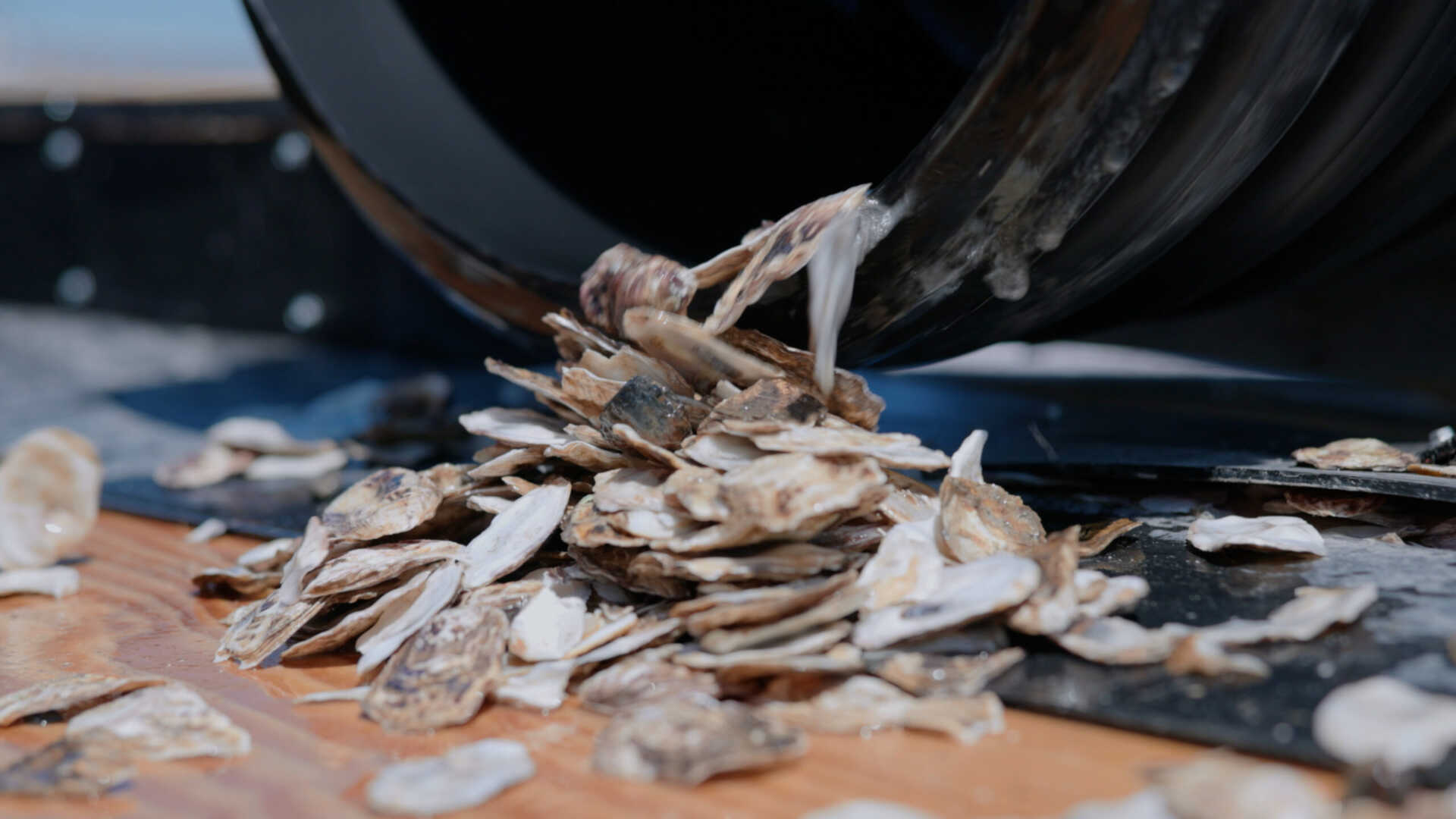
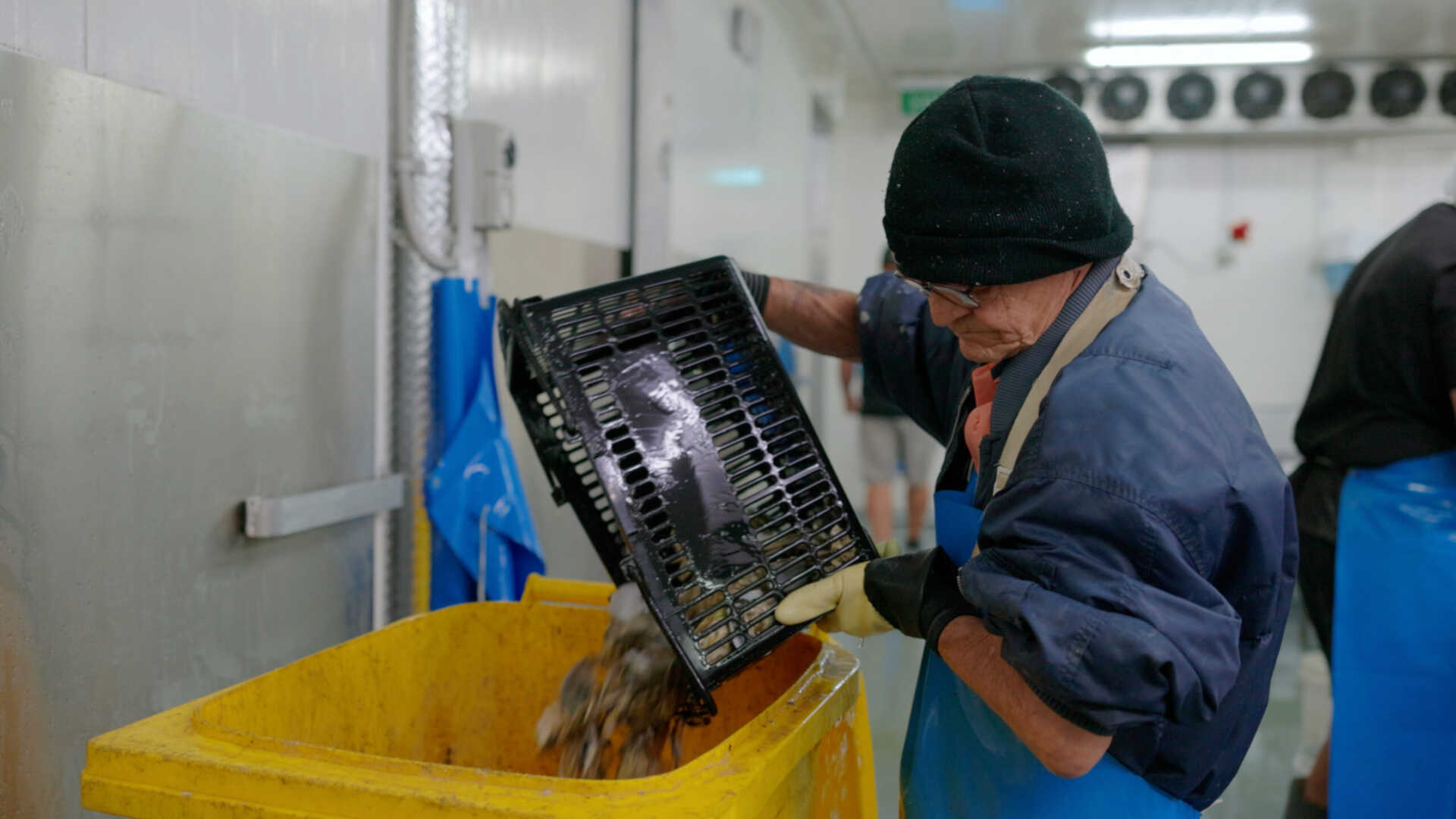
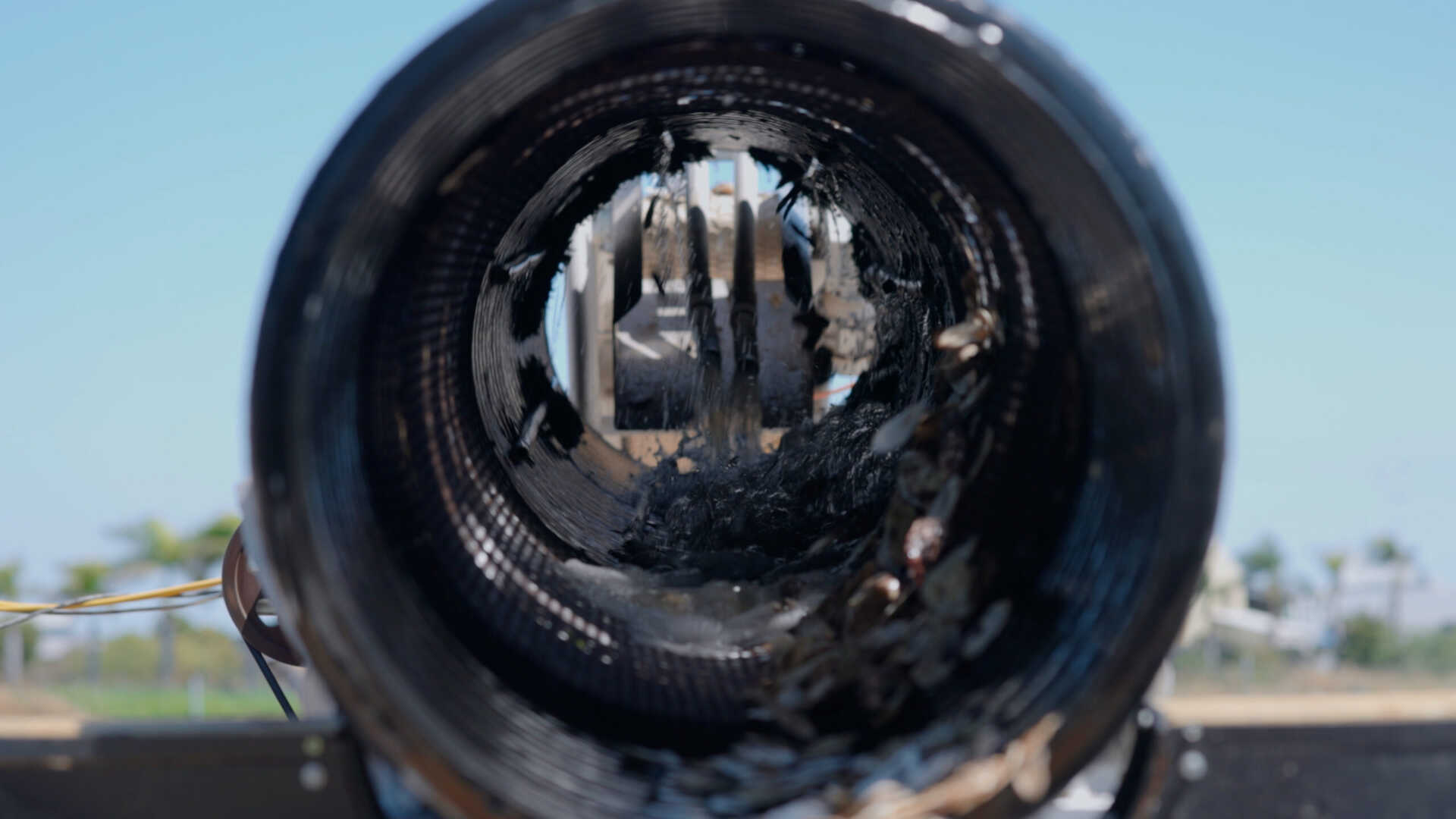
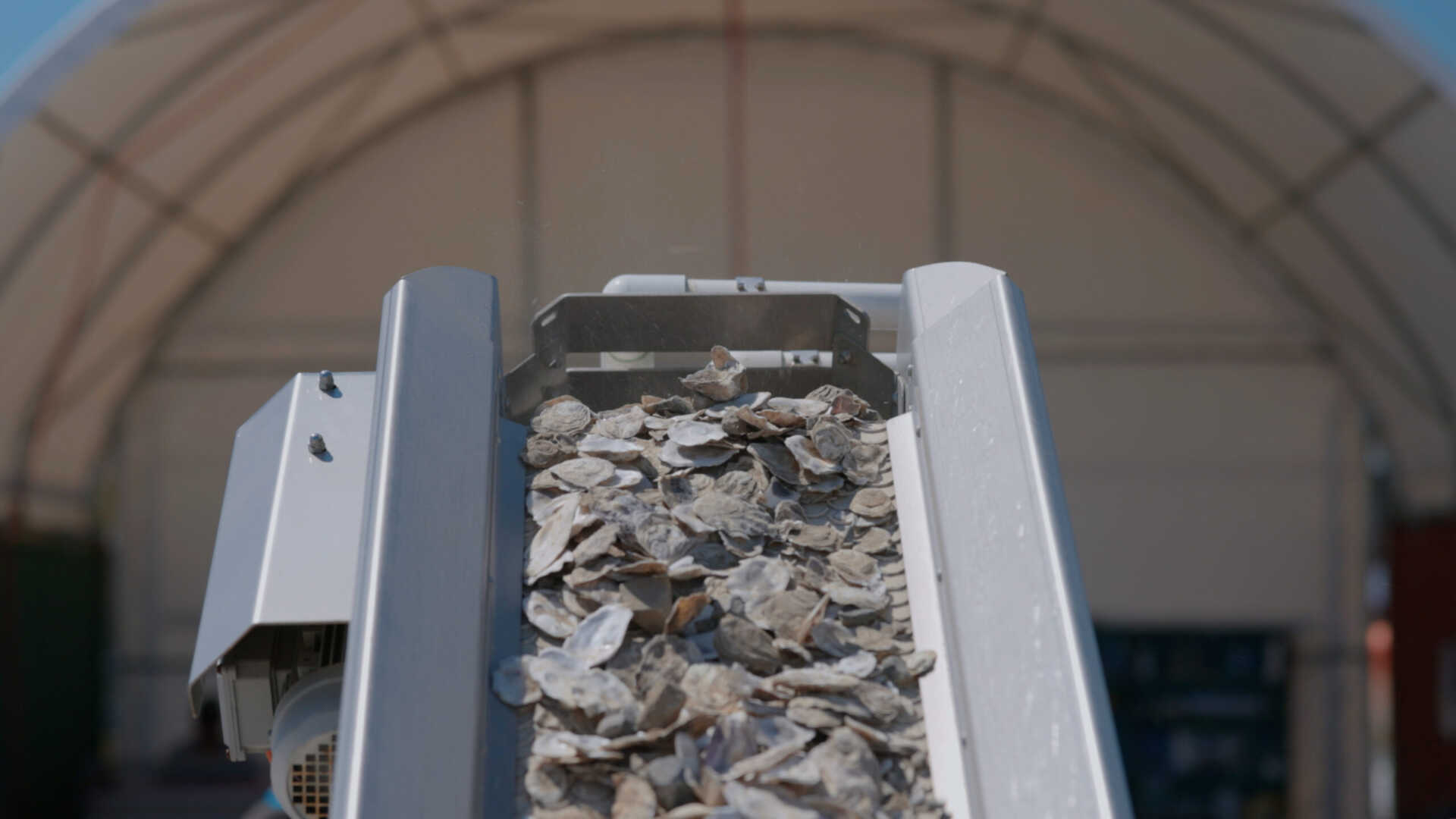
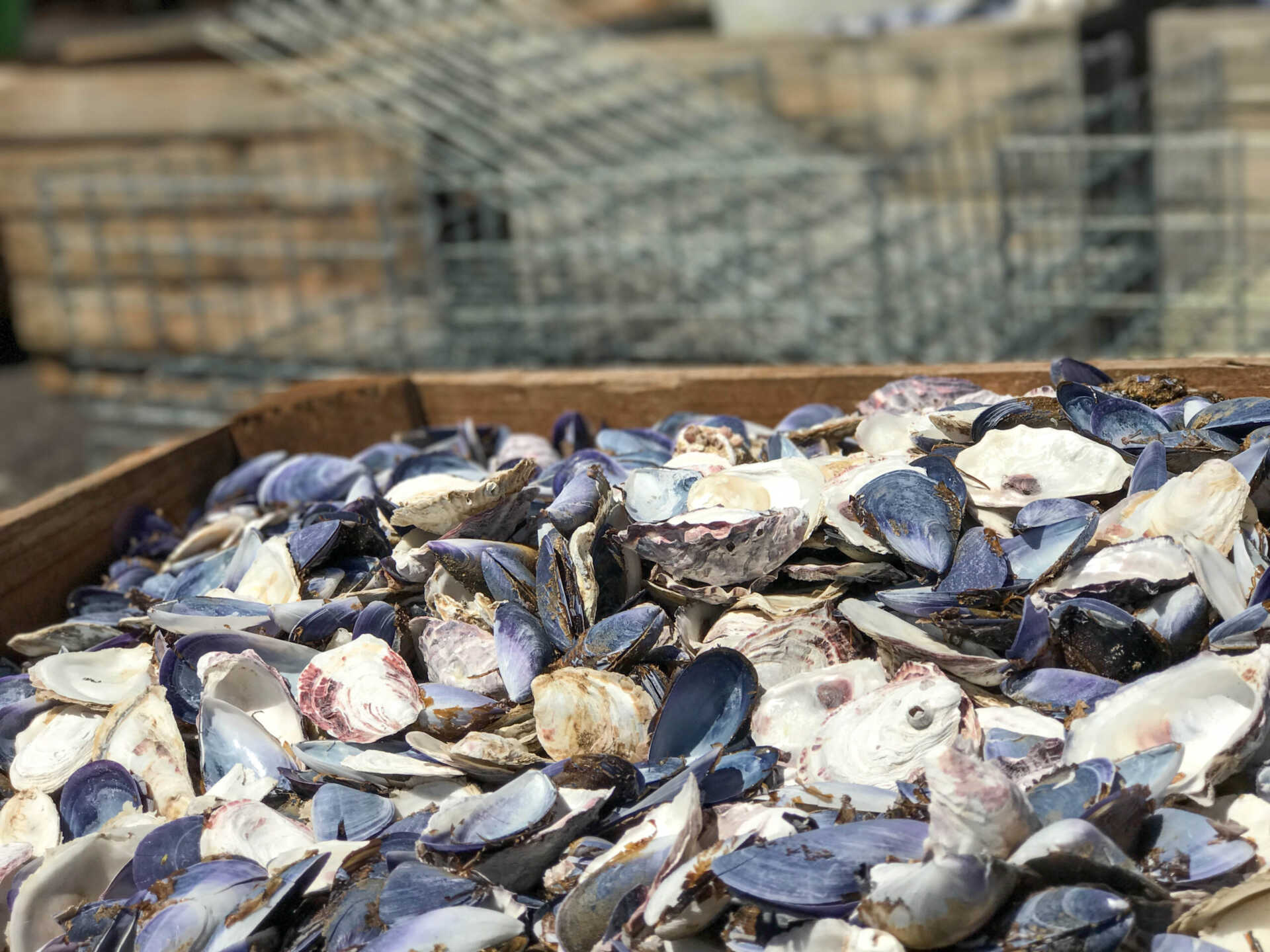
Used shells are collected from seafood businesses and restaurants across Brisbane. These shells are needed to restore the reefs as research has shown used shells encourage live oysters to return and reestablish themselves naturally. Every oyster shell that is recycled and placed back into a suitable reef restoration site will provide a home for up to 10 baby oysters. The recycling center sterilises the used shells from disease and pests for up to 4 months before placing them back in the Bay.

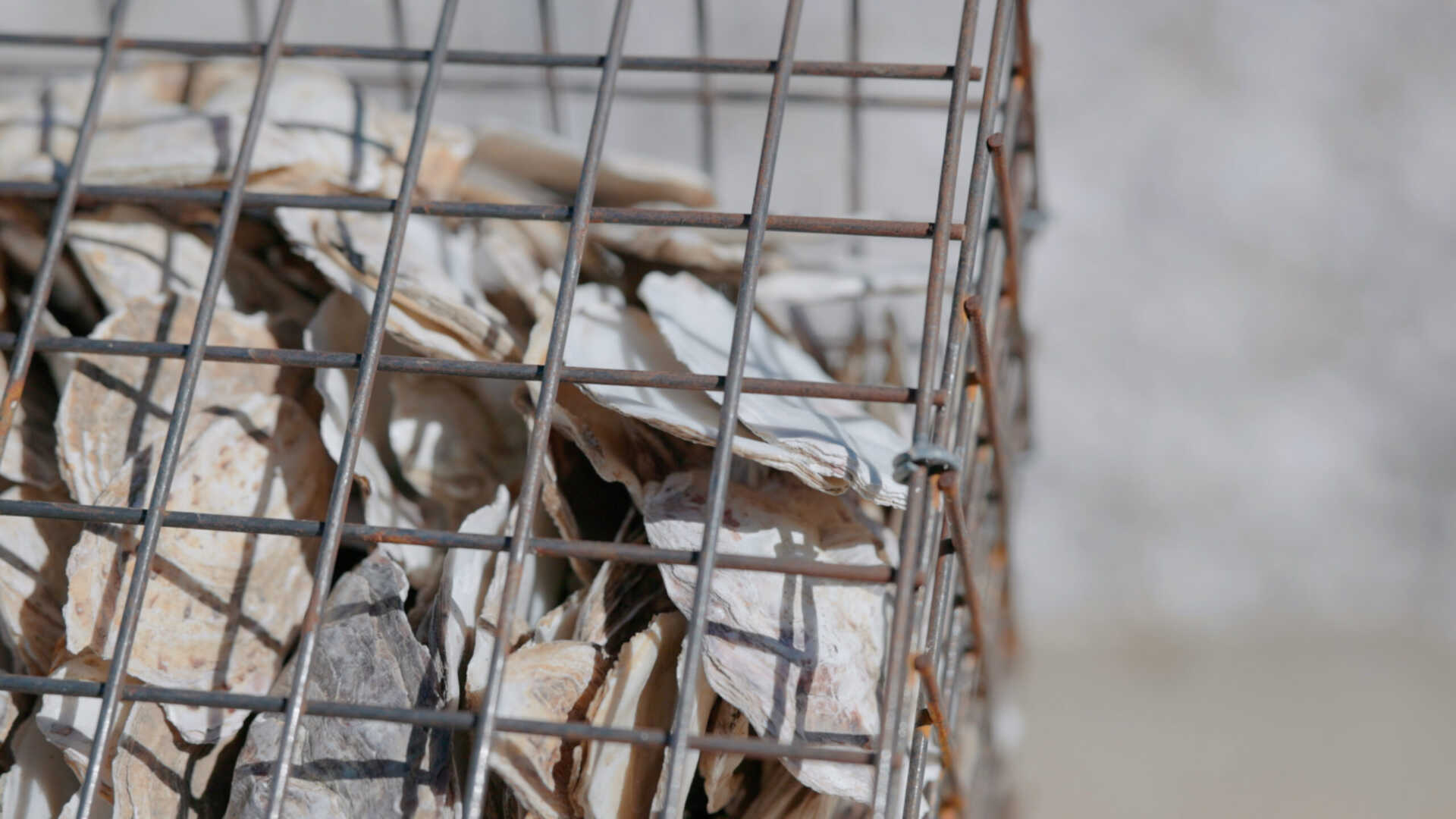
The Robust Oyster Basket (R.O.B)

Creating oyster reefs is a tricky business and often requires collaboration between communities, businesses and volunteers.

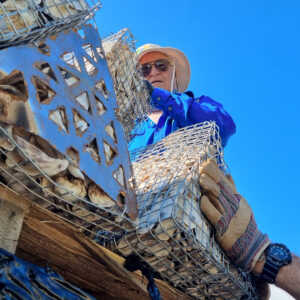
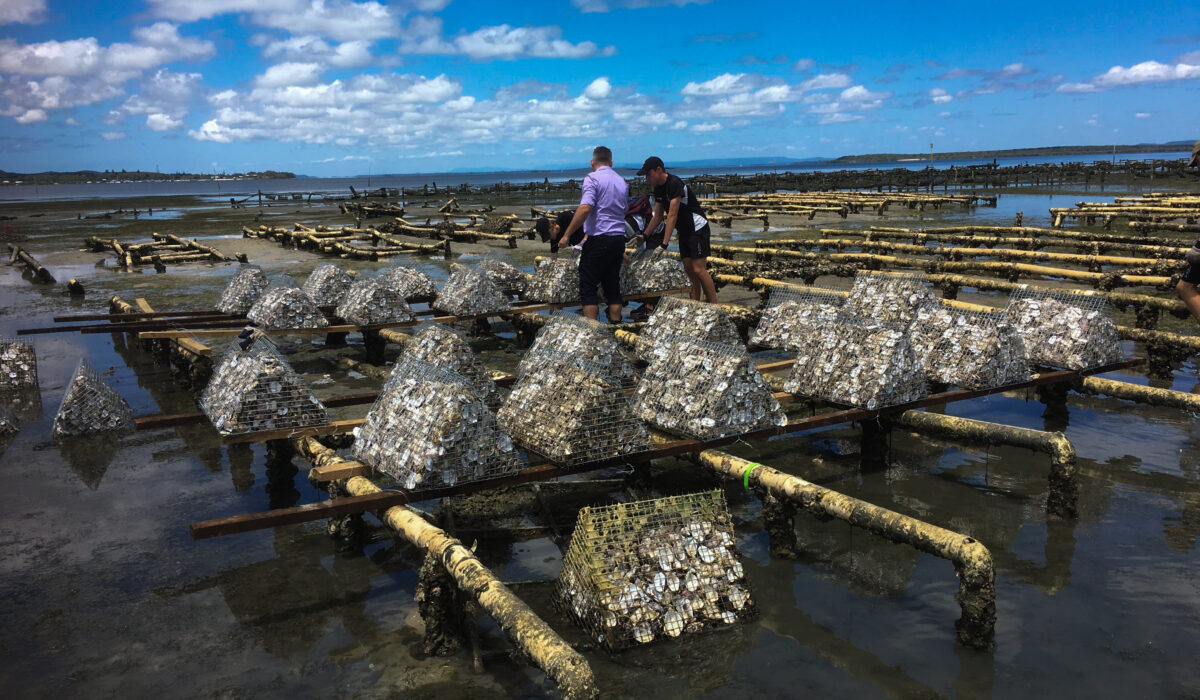
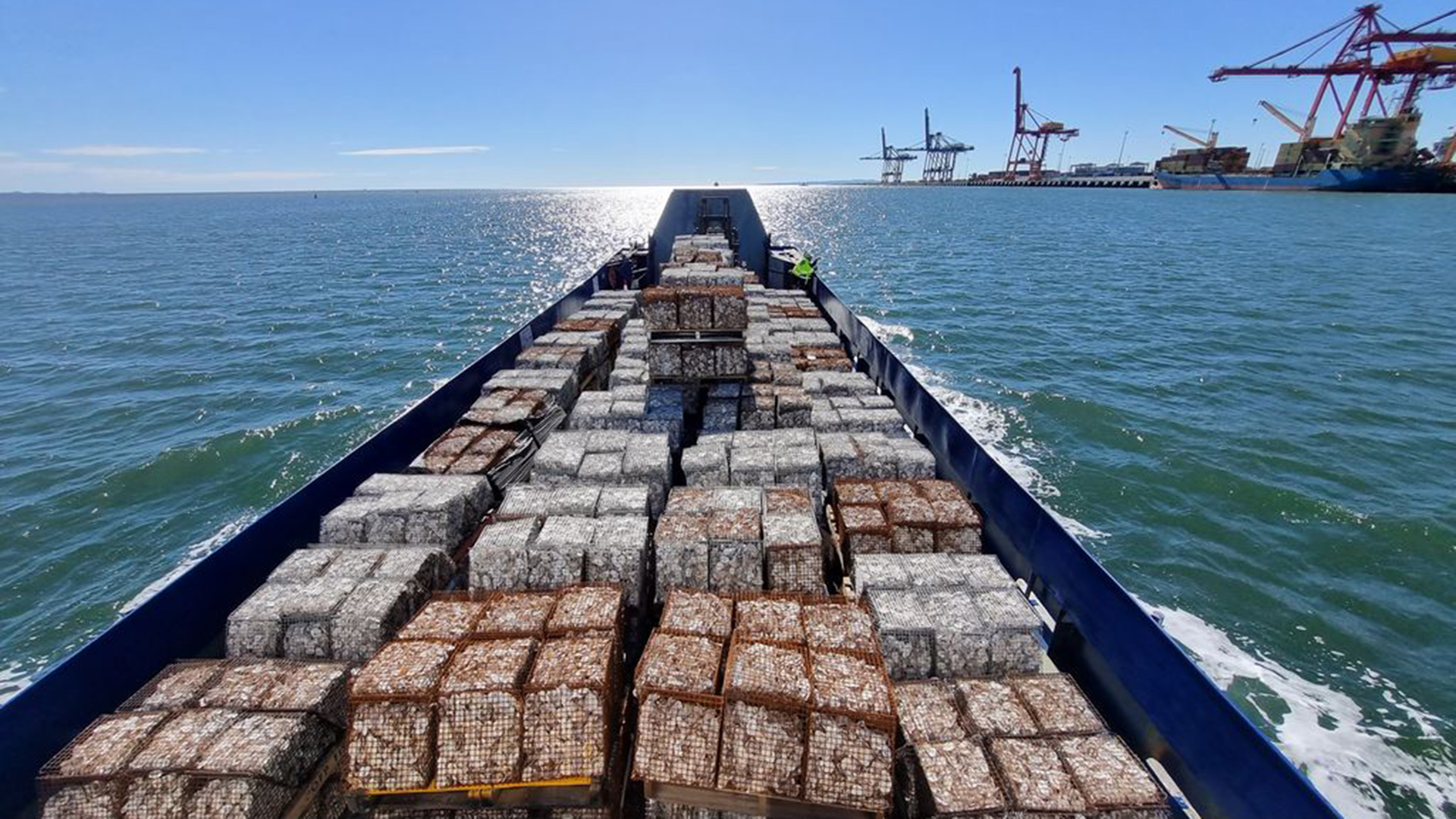
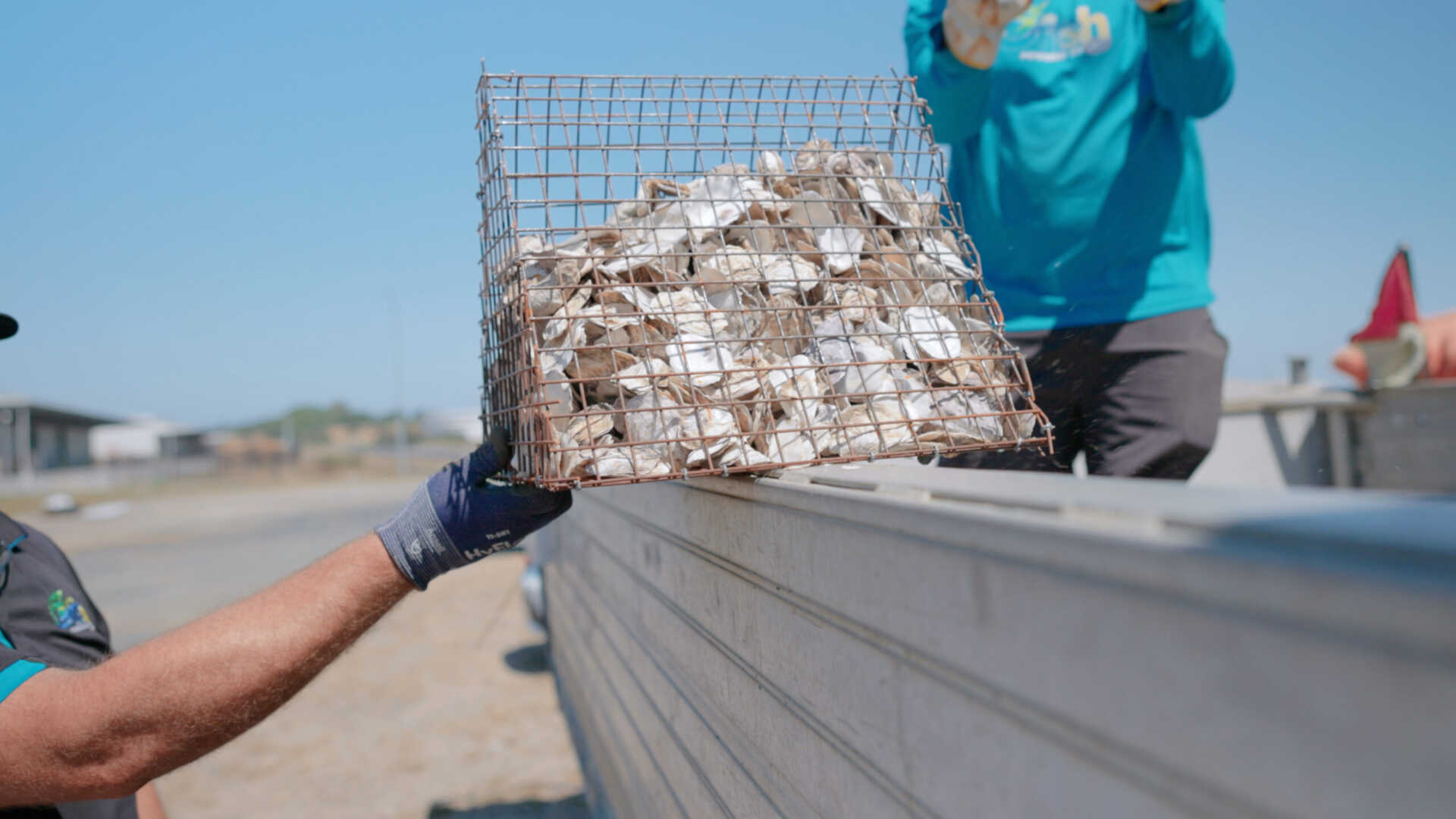
OzFish members decided to take advantage of oysters’ natural tendency to grow together in clumps and created a Robust Oyster Basket, affectionately known as a ROB. These make it easy to transfer the used shell to the restoration site and also ensure volunteers can have the opportunity to help deploy the reefs without any heavy machinery.

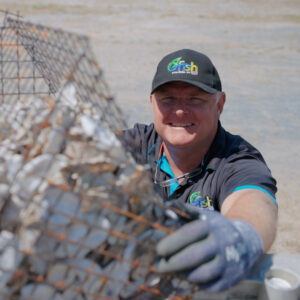
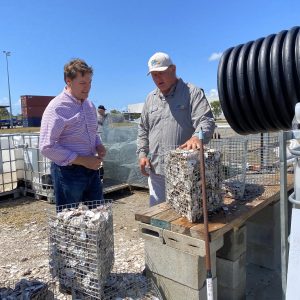
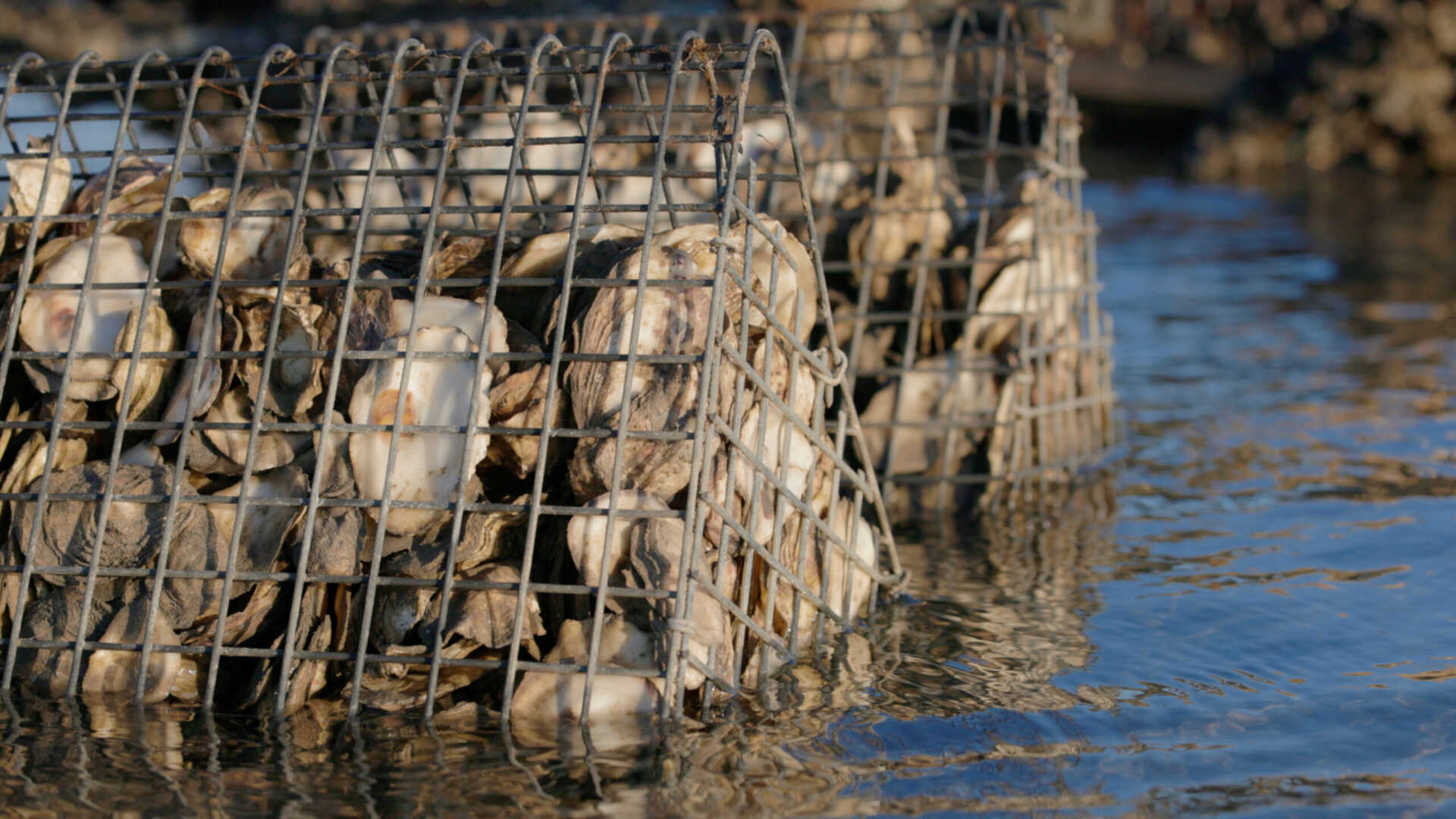
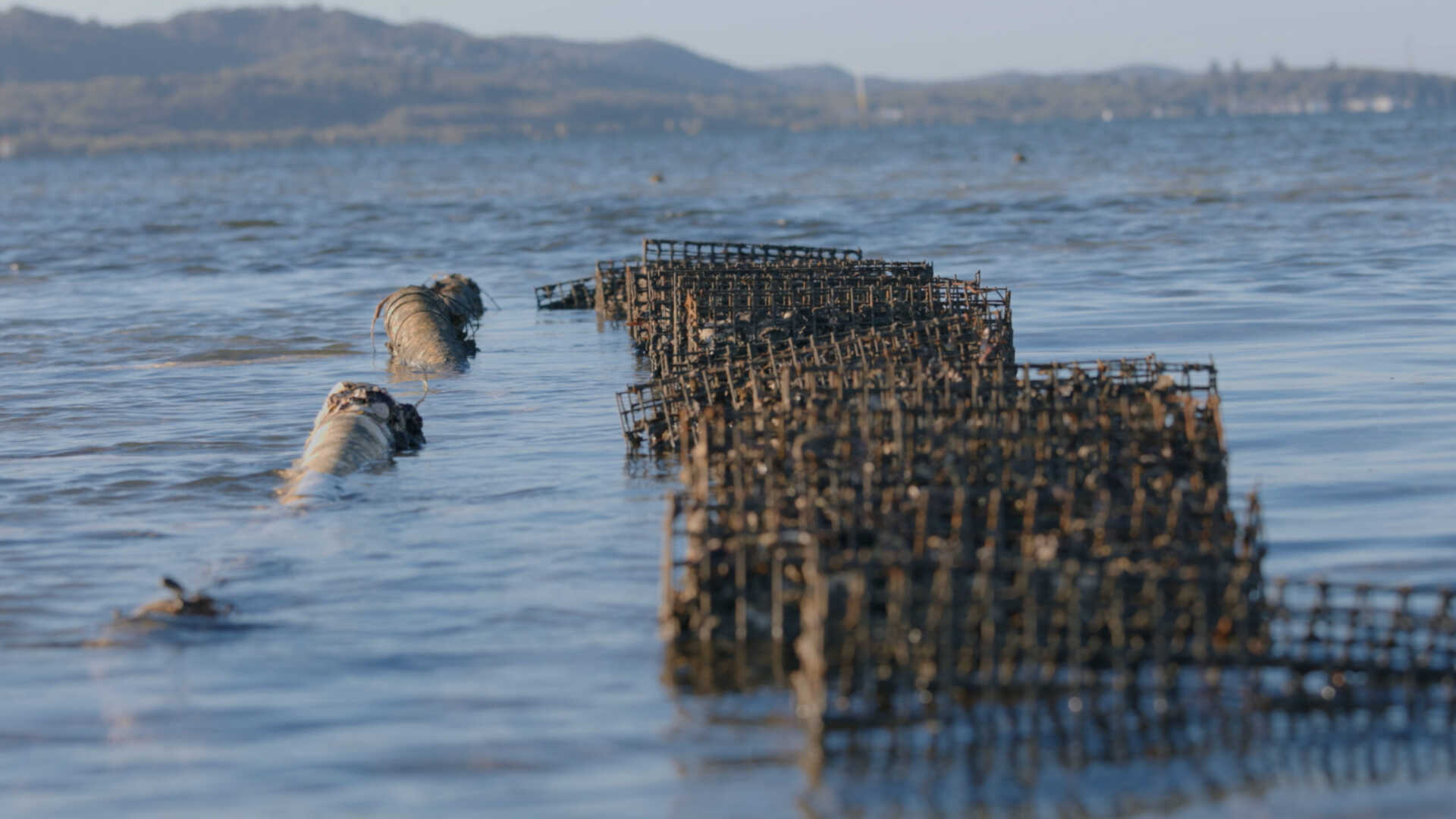
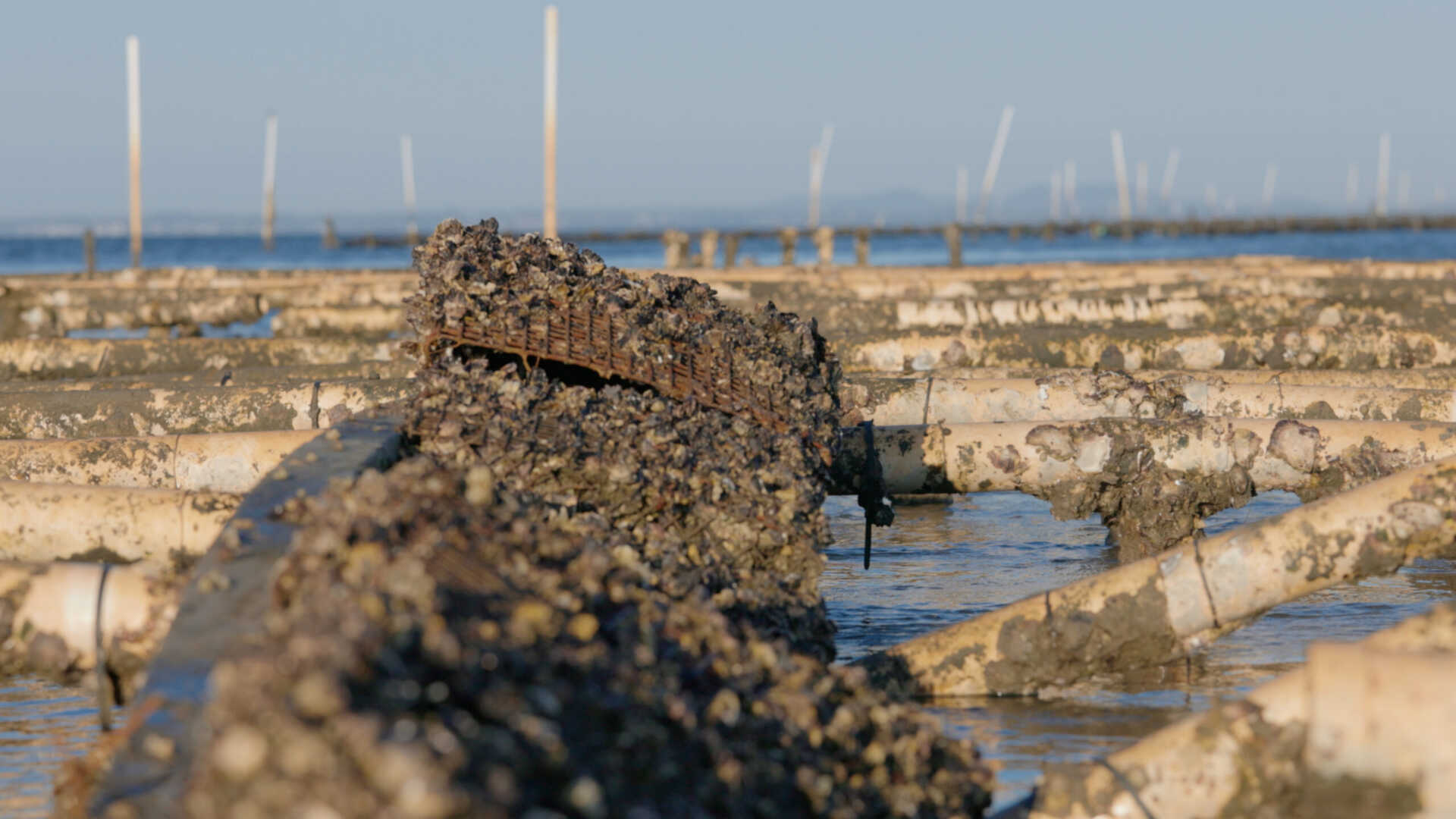
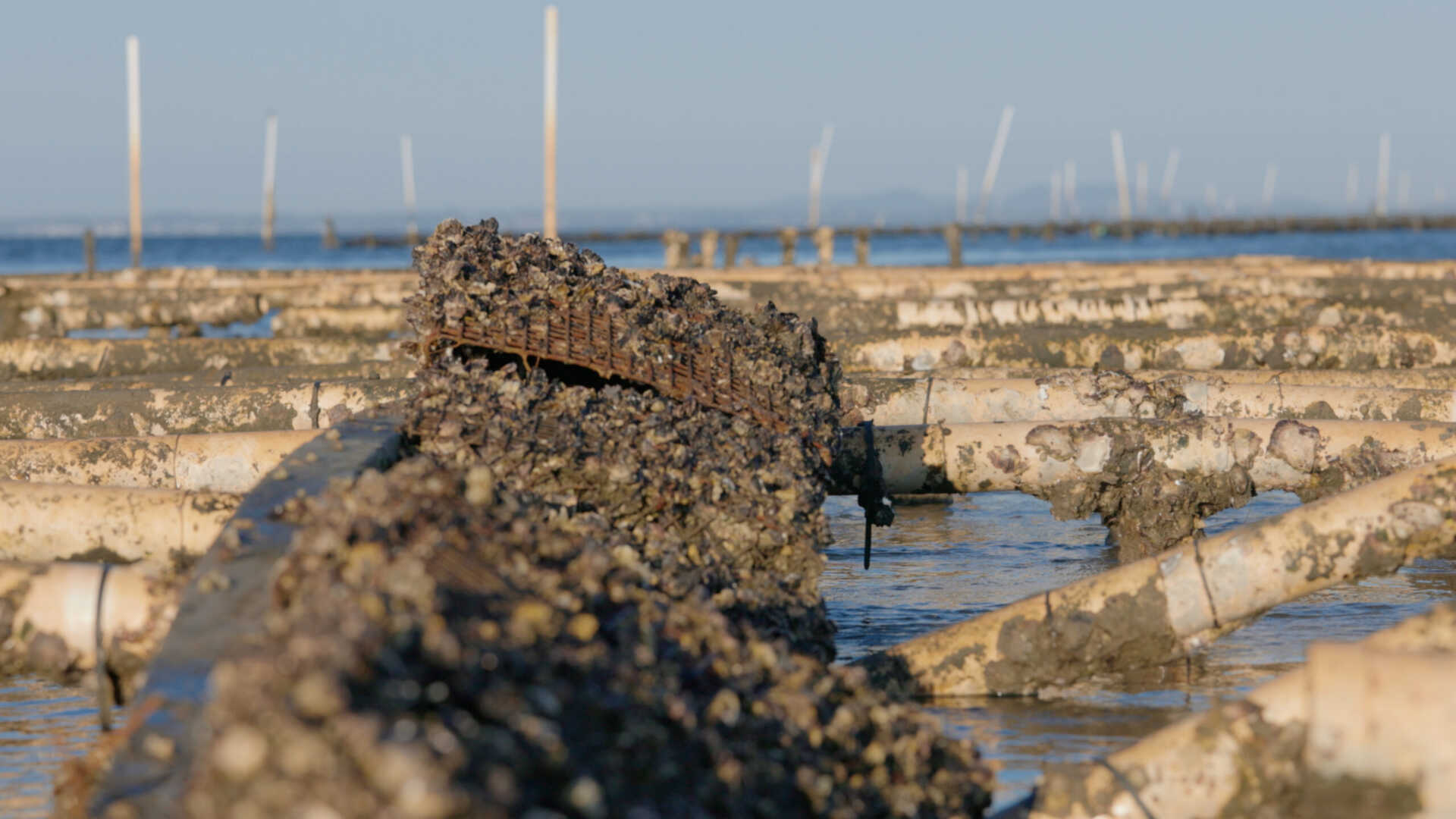
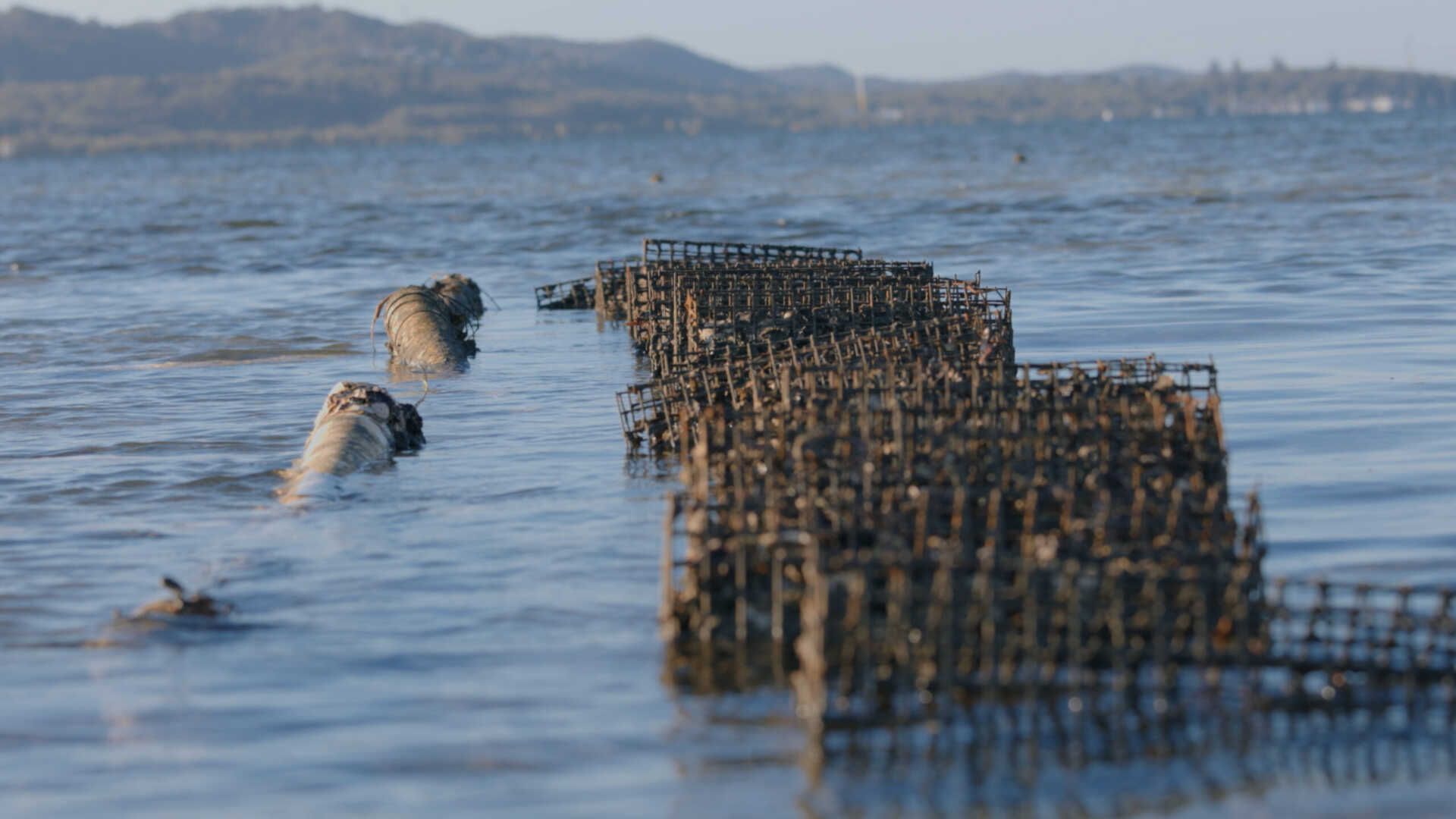
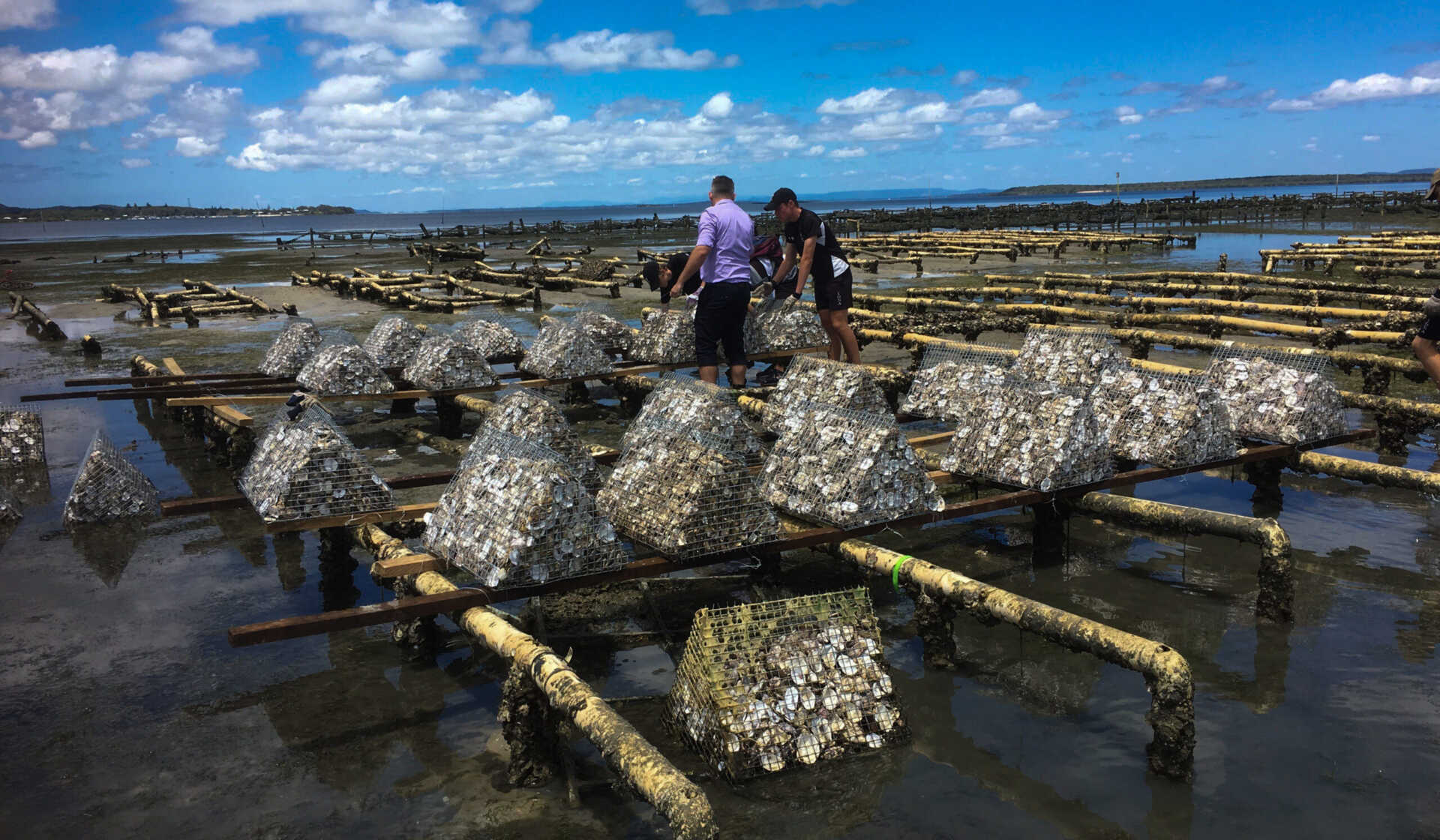
The ROBs is made from degradable steel mesh that is filled with recycled oyster shell volunteers help clean at the shell recycling center. The mesh takes about 2 years to degrade which gives the oysters and other shellfish time to clump together before completely rusting out, leaving only a solid structure of oyster shells and living shellfish.

Robust Oyster Basket, or R.O.B
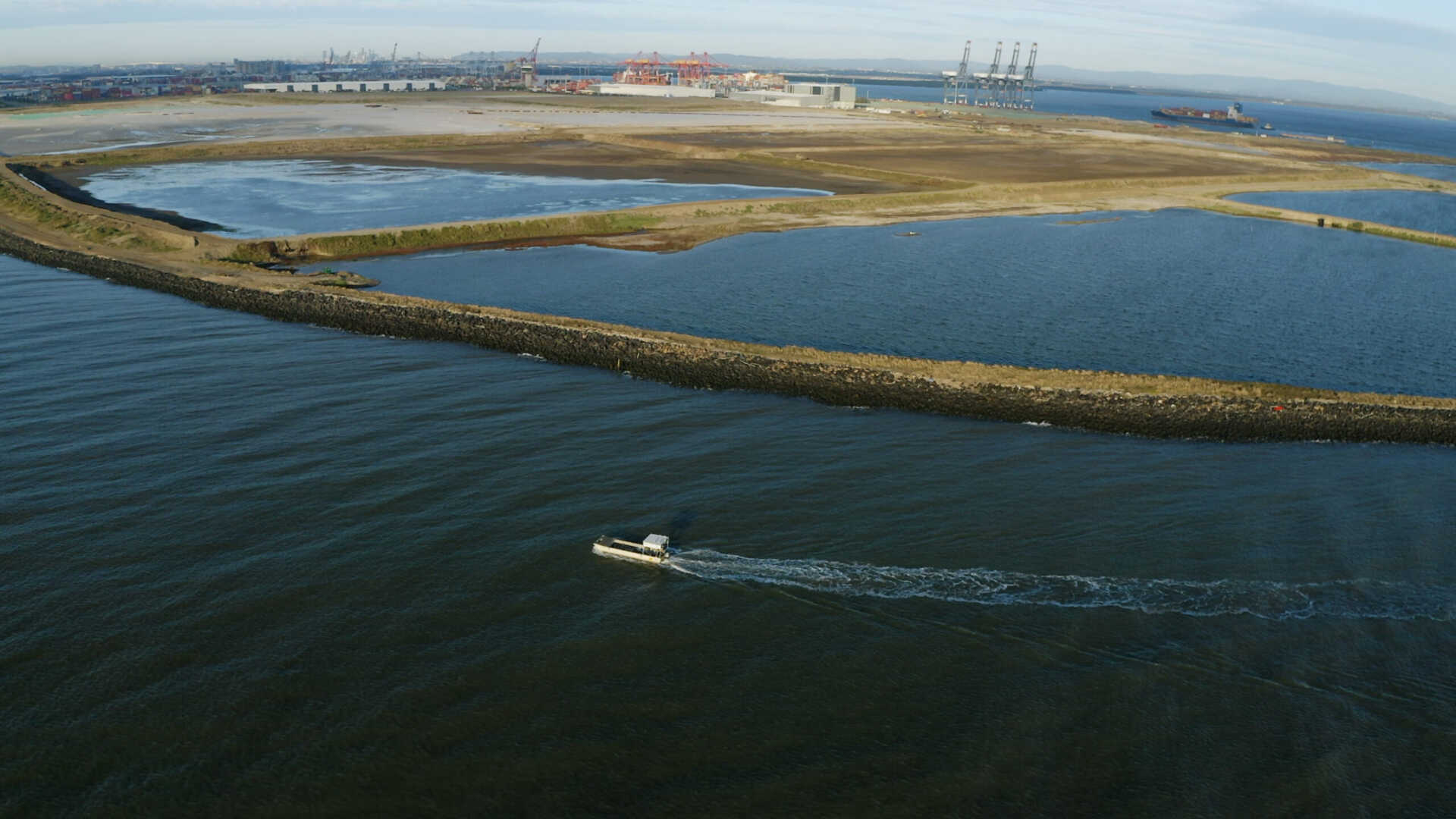
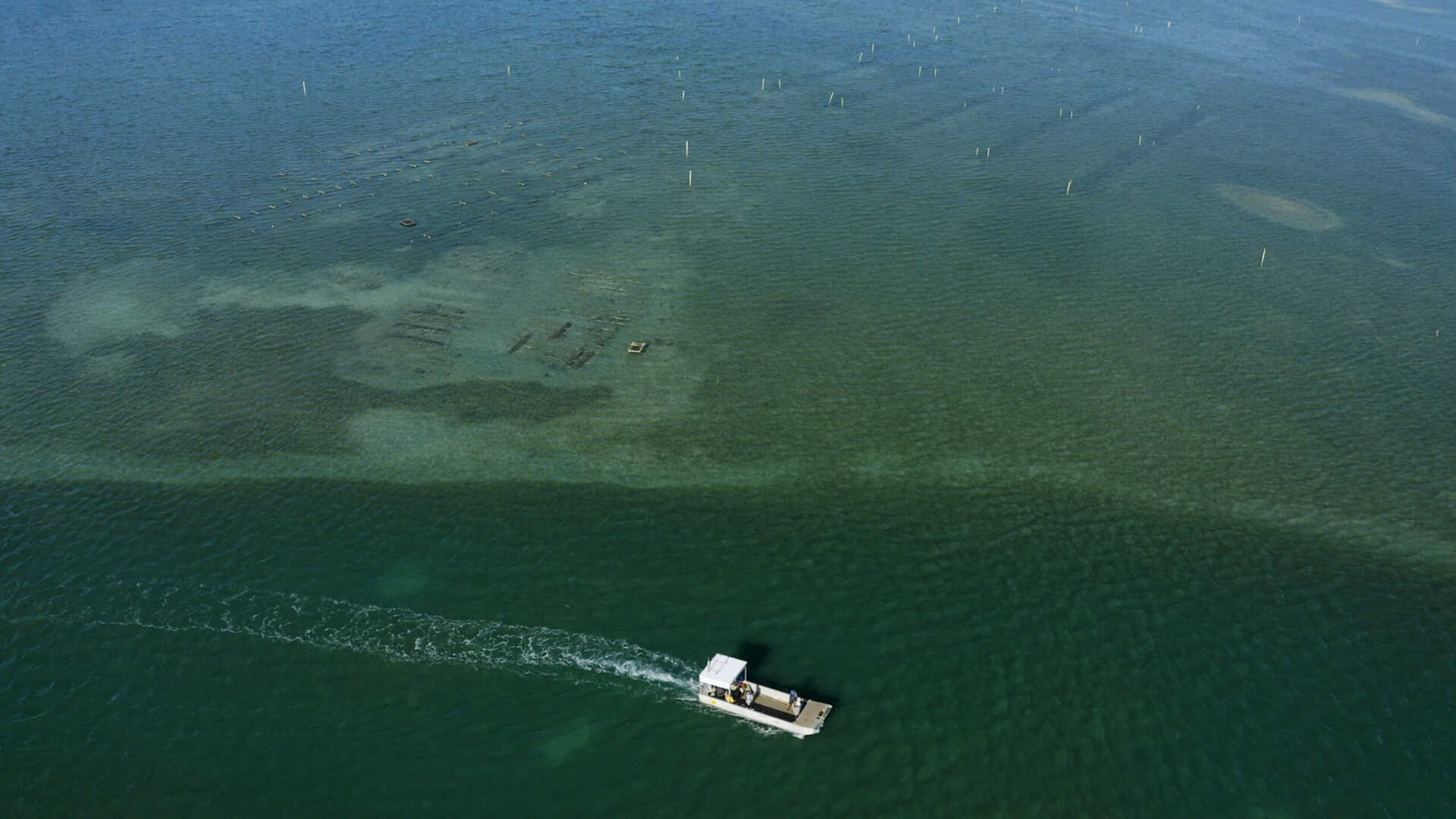
Tropical shellfish reefs aerial photo

Restoring lost habitat

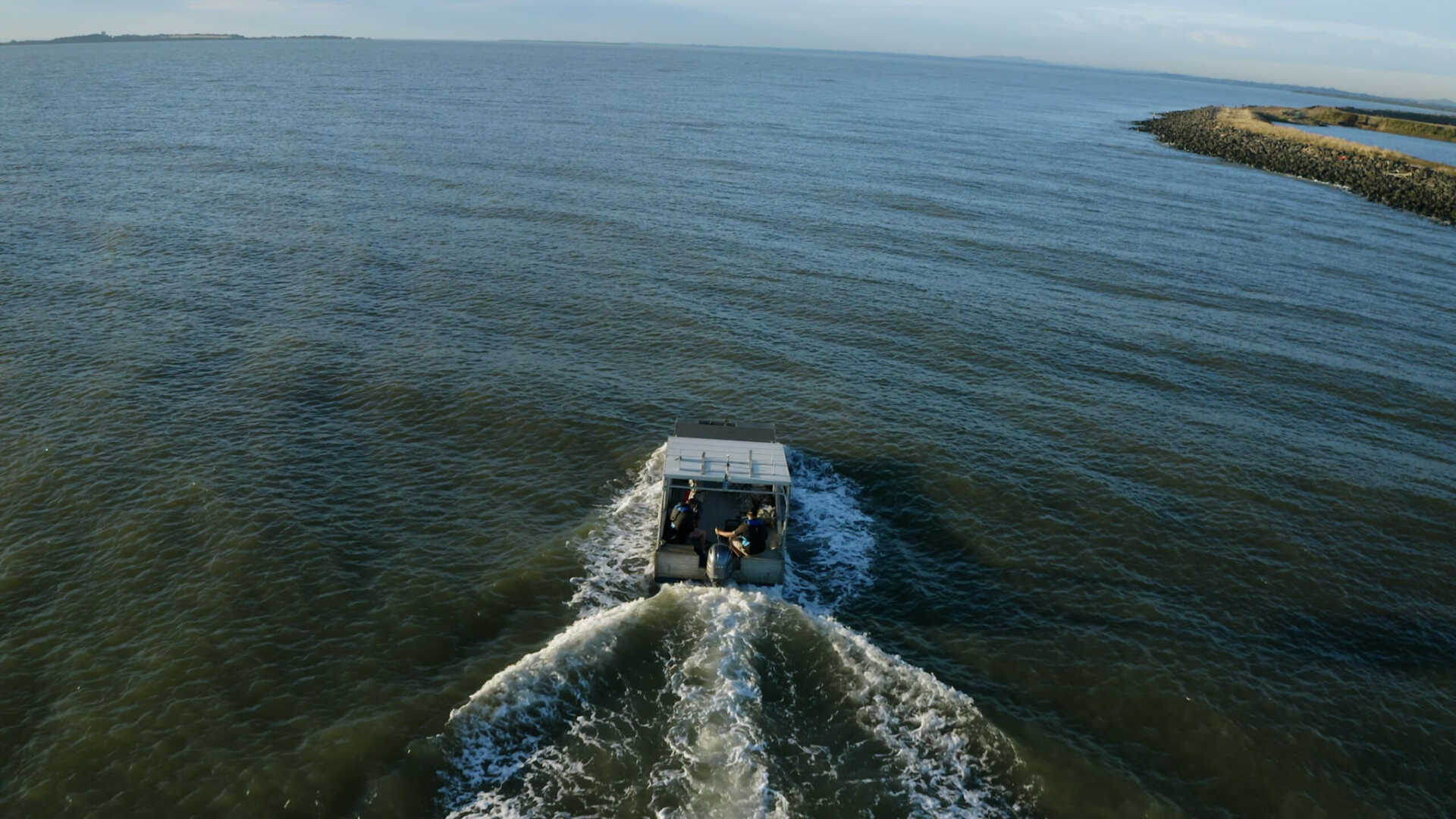
These modular reef restoration structures will be positioned in areas outside of green zones where oyster reefs previously existed in locations that will not detrimentally affect seagrasses, wading birds, commercial fishers and wormers or create boating navigation hazards or amenity.

We will monitor the results of these trials together with University researchers and aim to scale up the most effective restoration methods over the coming 10 years with the goal of restoring 100 hectares of oyster reef in a decade. This has the potential to generate up to 250 tonnes of seafood per year.

Our oyster lease

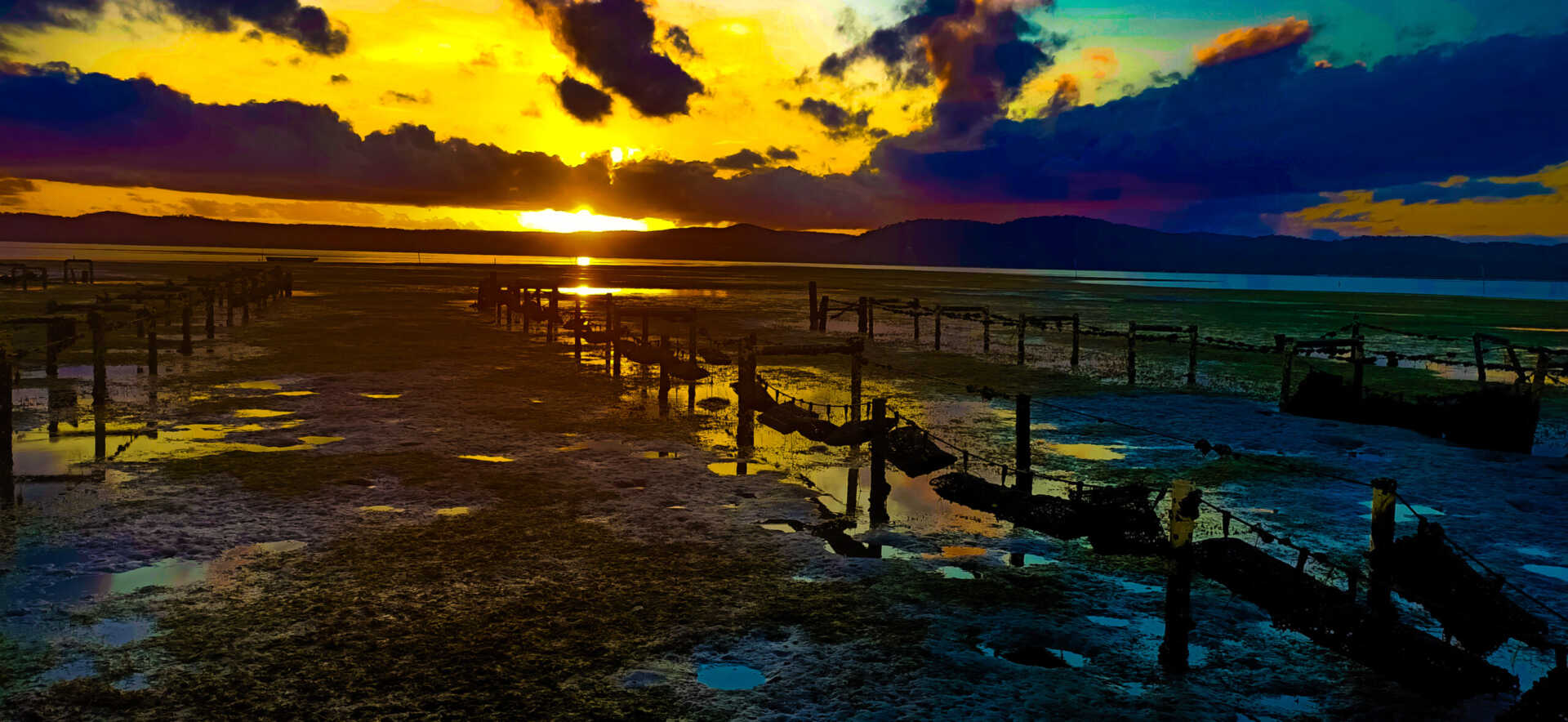
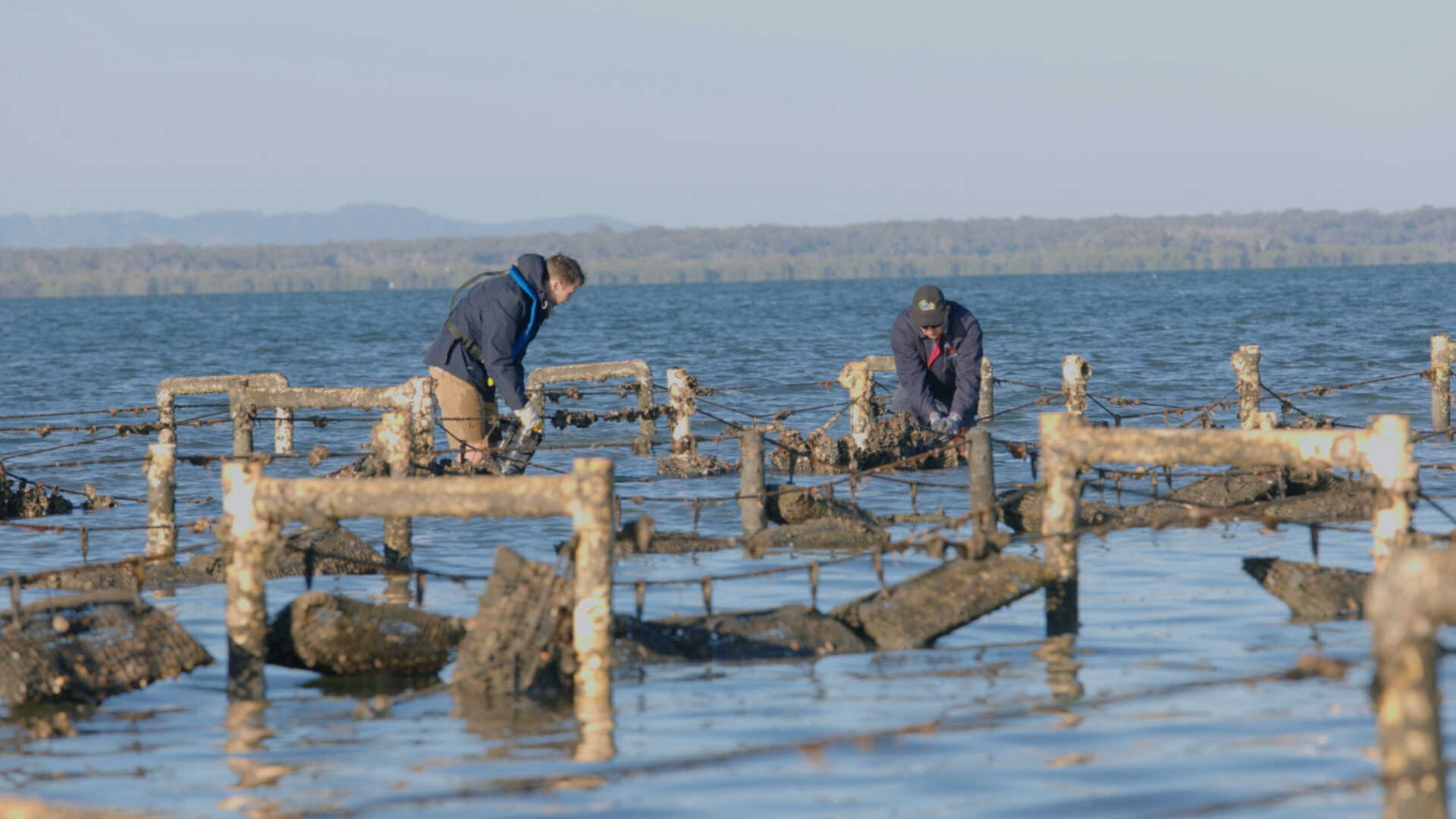
Through funds raised at the Wynnum Manly Seafood Festival and ongoing community donations, the OzFish CMB Chapter has been able to purchase an oyster lease off Myora, near Minjerribah (North Stradbroke Island).

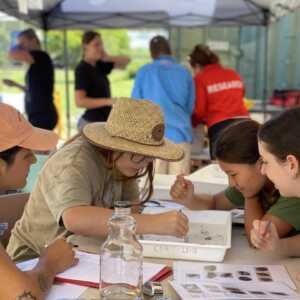
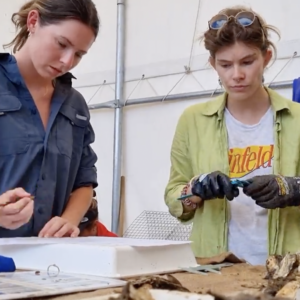
There we experiment with different formats of Robust Oyster Baskets to measure how effective they may be in other locations. University groups use the actively growing ROBs to conduct undergraduate to post–doctoral research.

Baskets were placed out on the lease in November 2019 and were filled with thousands of recycled shells. Within a few months, they showed new shellfish successfully growing with oysters, mussels, and other shellfish. A recent survey counted the life on subtidal and intertidal ROB’s and found : 

Number of shellfish per ROB (average):

  • Subtidal = 626
  • Intertidal = 2536 

Number of other animals per ROB (average)—Courtesy Griffith U. (2023):

  • Subtidal = 1120
  • Intertidal = 748

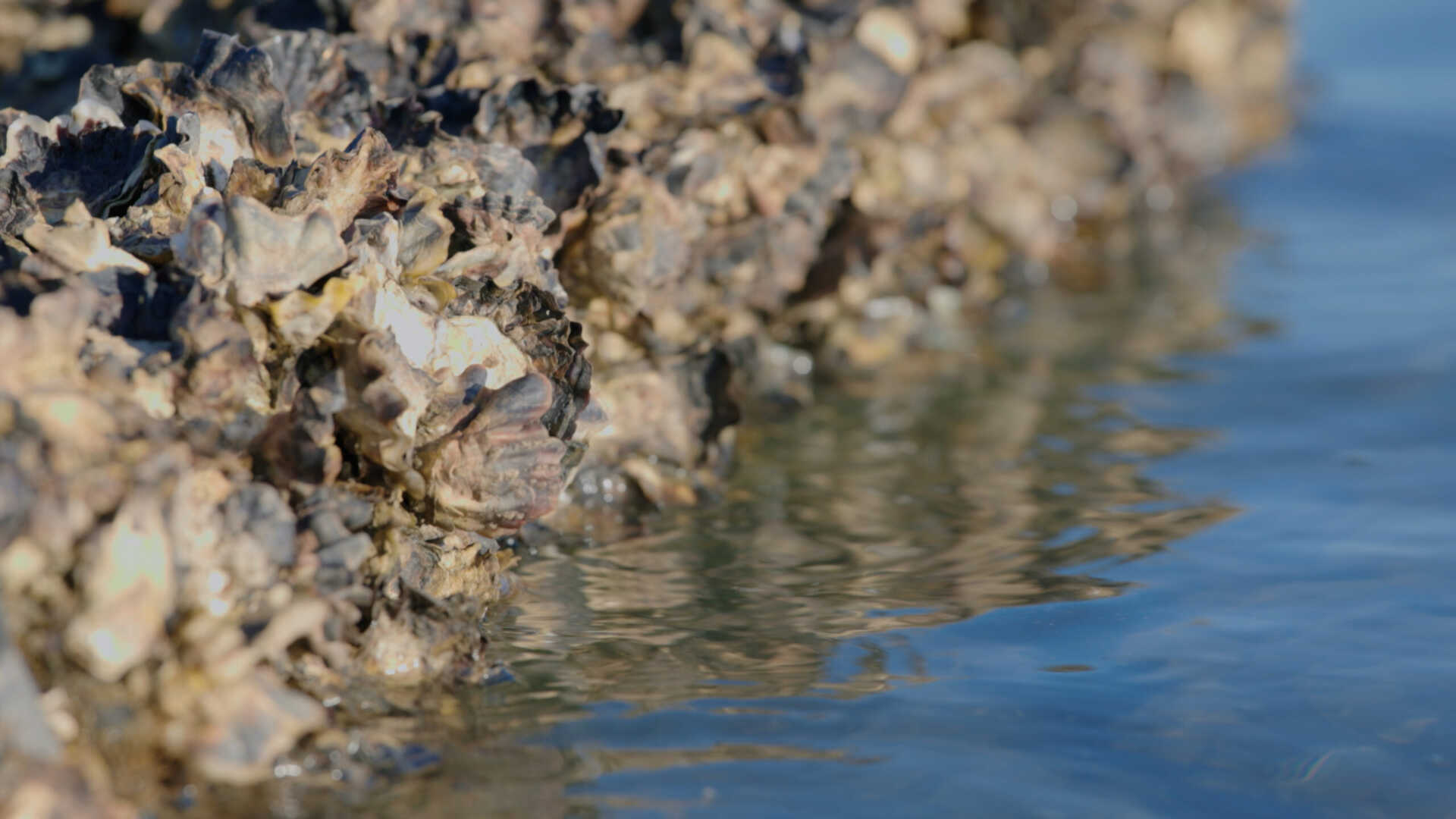
Over time the oysters and mussels will grow and bind together and provide rigid structures.

Latest news

Frequently asked questions

Since European settlement oysters have been overfished. Many were harvested as food but the majority were harvested for the lime in their shells. This lime was used to make cement for the building industry. Today in many places, including Moreton Bay, shellfish reefs are considered functionally extinct. After nearly two hundred years of dredging the seafloor, shellfish have no structures to grow on and the populations are too low to allow successful spawning. The lack of shellfish reef adversely affects water quality and aquatic life and sadly are not coming back without our help.

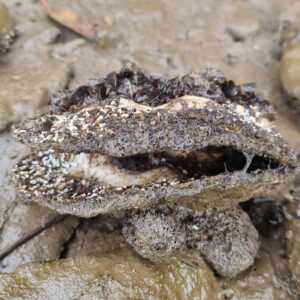
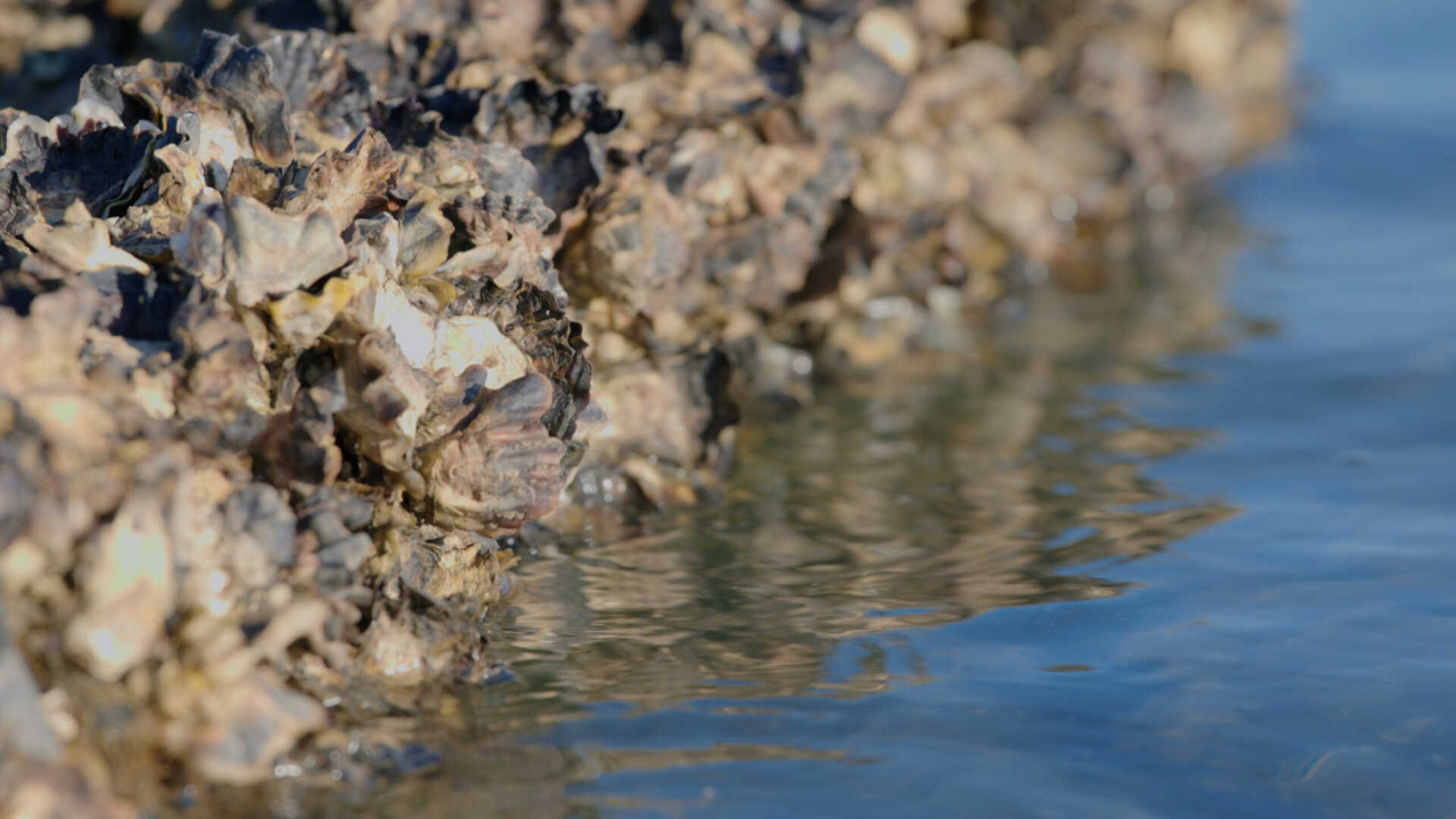
Shellfish reefs are living ecosystems. They are made up by many different types of shellfish but in Moreton Bay the main 3 reef forming species are; Rock Oysters (Saccostrea glomerata), Pearl Oysters known locally as Quampies (Pinctada albina sugillata) and Hairy Mussel (Trichomya hirsuta).

Together, these shellfish create complex vertical structures which make ideal homes, breeding locations and food sources for a vast array of aquatic life including baby fish. Overseas, it has been shown that every hectare of living shellfish reef produces an additional 2.5 tonnes of harvestable fish each year.

One of the most important things about shellfish is that they are natures water filters. A typical adult Sydney rock oyster can filter over 100 litres of water every day.  The extent of the lost filtration services in Moreton Bay has not yet been calculated, however  similar systems overseas have shown that oysters used to filter the entire volume of water within large bays and estuaries, providing exceptional water clarity which then promotes seagrass growth.

OzFish collect oyster shell from farmers, seafood businesses and restaurants and take it to our Oyster Shell Recycling Facility at the Port of Brisbane. OzFish volunteers wash and dry these shells in the sun for 4 months to sterilise them. They are then cleaned and placed into “Bio Block” moulds and biodegradable scaffold structures that are then transported and placed at strategic locations in subtidal and intertidal restoration sites throughout central Moreton Bay where we monitor and report on the growth of these oysters and the use of these reefs by fish and invertebrates.

Some 703,000 Queenslanders recreationally fish every year—making it one of our most popular pastimes. Restoring shellfish reefs will also benefit:

  • Amateur and commercial fishers by increasing the volume of fish that can live and breed in the bay.
  • First Australians by reinstating an important traditional food sourc (oysters were historically an important traditional food source).  Quampies are still revered by many Indigenous Australians in the Moreton Bay Region.
  • All bay users including; bathers and casual day users, boat users, charter and tour operators, scuba divers, school science groups, commercial and recreational wormers by improving water quality, fish numbers and reducing silt.
Healthy land and water logo
Australian Government national landcare program logo
Port of Brisbane logo
Queensland Government logo
Goodman logo
Turner Family Foundation logo
BCF logo
Ampol logo
Tackle Tactics logo
Toadfish logo
Brisbane Airport Corporation logo
Griffith University logo
University of Queensland logo
University of Sunshine Coast logo
Moreton Bay Foundation logo
Siganto Foundation logo
Howard Smith Wharves logo
Tangalooma Island Resort