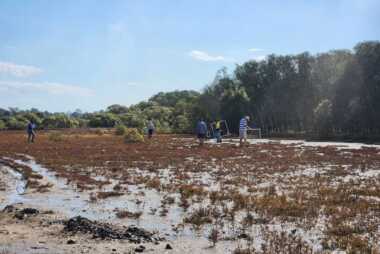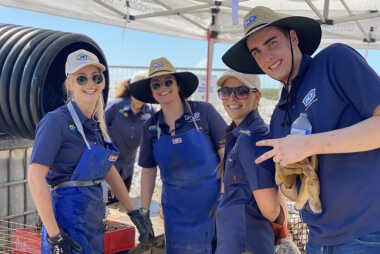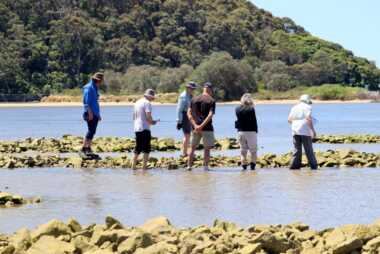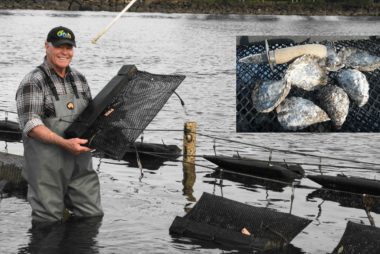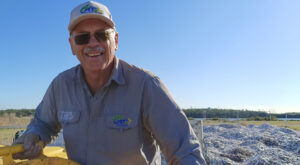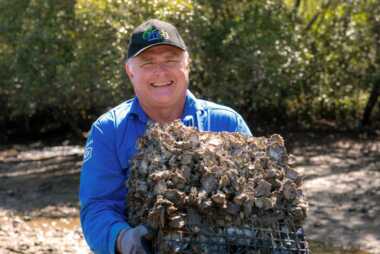
Since 2016, the Richmond River Chapter have been working with scientists, hatcheries, and recreational fishers to identify and reintroduce a new local oyster variant that may turn the tide for shellfish restoration in the Richmond River.
The Great Shellfish Hunt Come join the nationwide mission to rediscover Australia’s lost tropical shellfish reefs! The Great Shellfish Hunt calls on recreational fishers and community members to help track Australia’s remaining tropical shellfish reefs. By learning how these reefs behave, and ...
Quantify the benefits of shellfish reefs to recreationally important fish species. Increase recreational awareness and engagement of and with shellfish restoration and its importance to ecosystems. Increase the stake of recreational anglers in improving fihs habitat in the swan canning river ...
Community members will create ecosystems by deploying shell over reef balls. Anglers and volunteers will drop bagged shell from boats over the concrete reef balls from late 2024 to late 2026. Fish species will be monitored during this time using BRUVs.
Groundbreaking Research headed by OzFish will uncover if oyster reef restoration can provide a nature-based solution to the problem of nitrogen in Australia’s waterways, A pioneering trial at the North Pine River, north of Brisbane is now underway to see if oyster reefs could be the answer to ...

Through the Caboolture and Maroochy community’s combined actions, native fish habitat continues to be protected and restored within Queensland. Restoration included improvements of in-stream habitat, saltmarsh monitoring a unique shellfish reef trial and and riparian and wetland ...
The Central Moreton Bay OzFish Chapter has an ambitious goal to restore 100 hectares of shellfish reef in Moreton Bay over the next 10 years and beyond, stretching many hundreds of hectares. This kind of restoration will do more than simply improve water quality in the bay, it will rejuvenate ...
Building on the fantastic large-scale shellfish restoration efforts already underway in Port Phillip, this project will focus on a smaller-scale, community-driven approach, with fishers rolling up their sleeves and helping to deploy reef substrate, monitor restoration progress and highlight rec ...
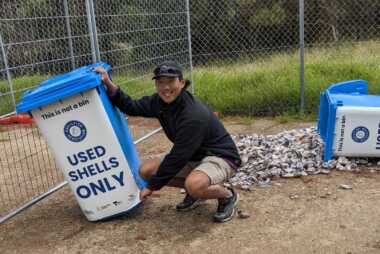
Mornington Peninsula locals are diverting oyster shells from landfill to create new reefs in Port Phillip and Westernport Bays. The Shell recycling site has been established at the Flinders hopper where the recycled shell is ready to be collected and undergo biosecurity protocols to be ...
OzFish volunteers and members of the local community set out to take steps to begin the return of thriving shellfish reefs to the Port River estuary. This built on previous successful trials by the Estuary Care Foundation to return native flat oysters to the waterway.
OzFish is encouraging local people to become citizen scientists and help monitor a new oyster reef in Narooma, on the south coast of NSW. By volunteering, people will be playing an important role in restoring a healthy aquatic habitat to the state’s coastline.

An important part of our marine ecosystem is shellfish reefs, sadly, they are critically endangered, with 99% of shellfish reefs functionally extinct within Australia. Shellfish reefs are declining due to sediment runoff and human impacts such as pollution, overharvesting and reef dredging for shells. This not only reduces shellfish numbers but also takes away the hard substrate they need to re-establish naturally. Basically, they can’t multiply if they have nowhere to anchor.
It’s not all bad news though, with mammoth efforts being undertaken by conservation groups, businesses, communities, and everyday Aussies to restore our reefs to their former glory. It is an ongoing project that will take many years to accomplish, but so far, the results are promising.
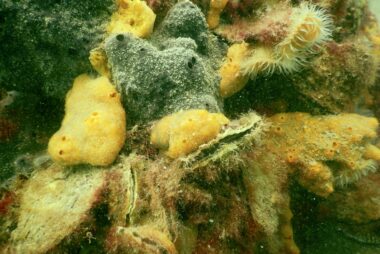
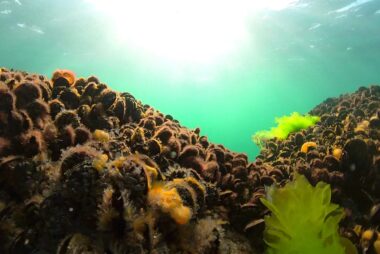
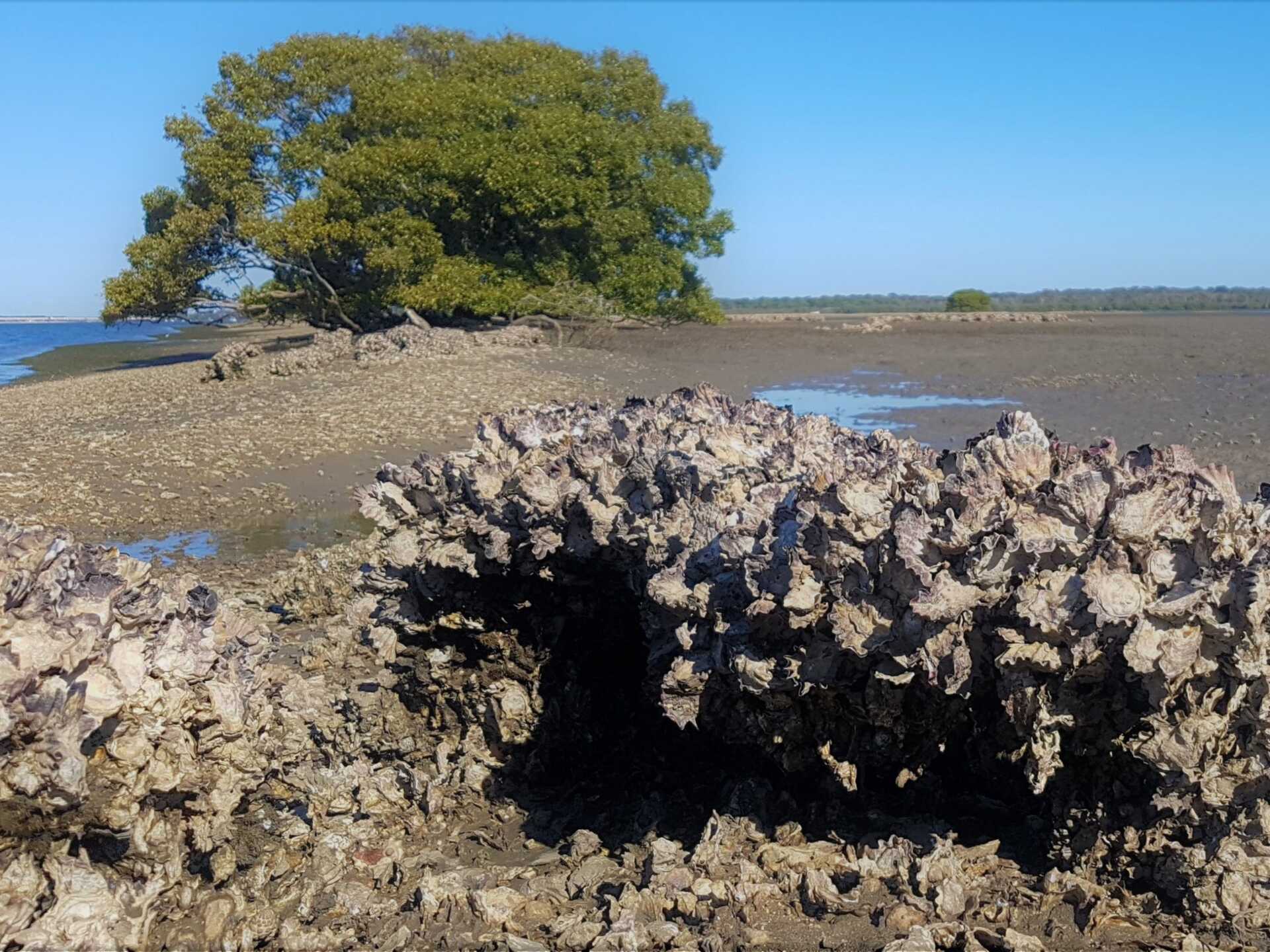
Shellfish reefs are living vertical structures, found in bays, estuaries, and nearshore coastal waters. These complex structures are made up of millions of shellfish, including mussels, oysters, pipis, and cockles. They form a hard substrate by clustering together and attaching to older shells, rocks, piers, or any rigid, submerged surface.
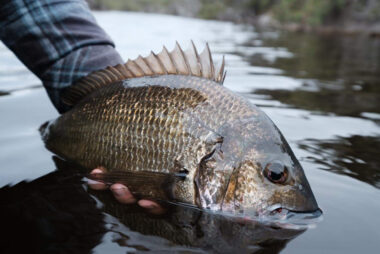
Fish and other aquatic life rely on shellfish reefs for habitat, providing places where they can shelter, breed, and source food. They are also a natural filter, improving water clarity and promoting the growth of seagrass. These benefits create better fishing, with every hectare of living shellfish reef able to produce an additional 2.5 tonnes of harvestable fish per year.


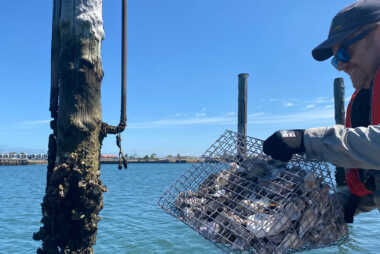
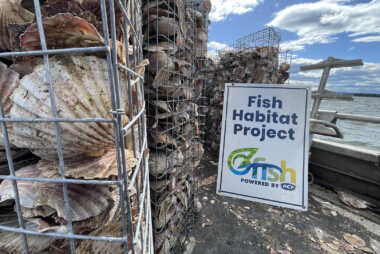
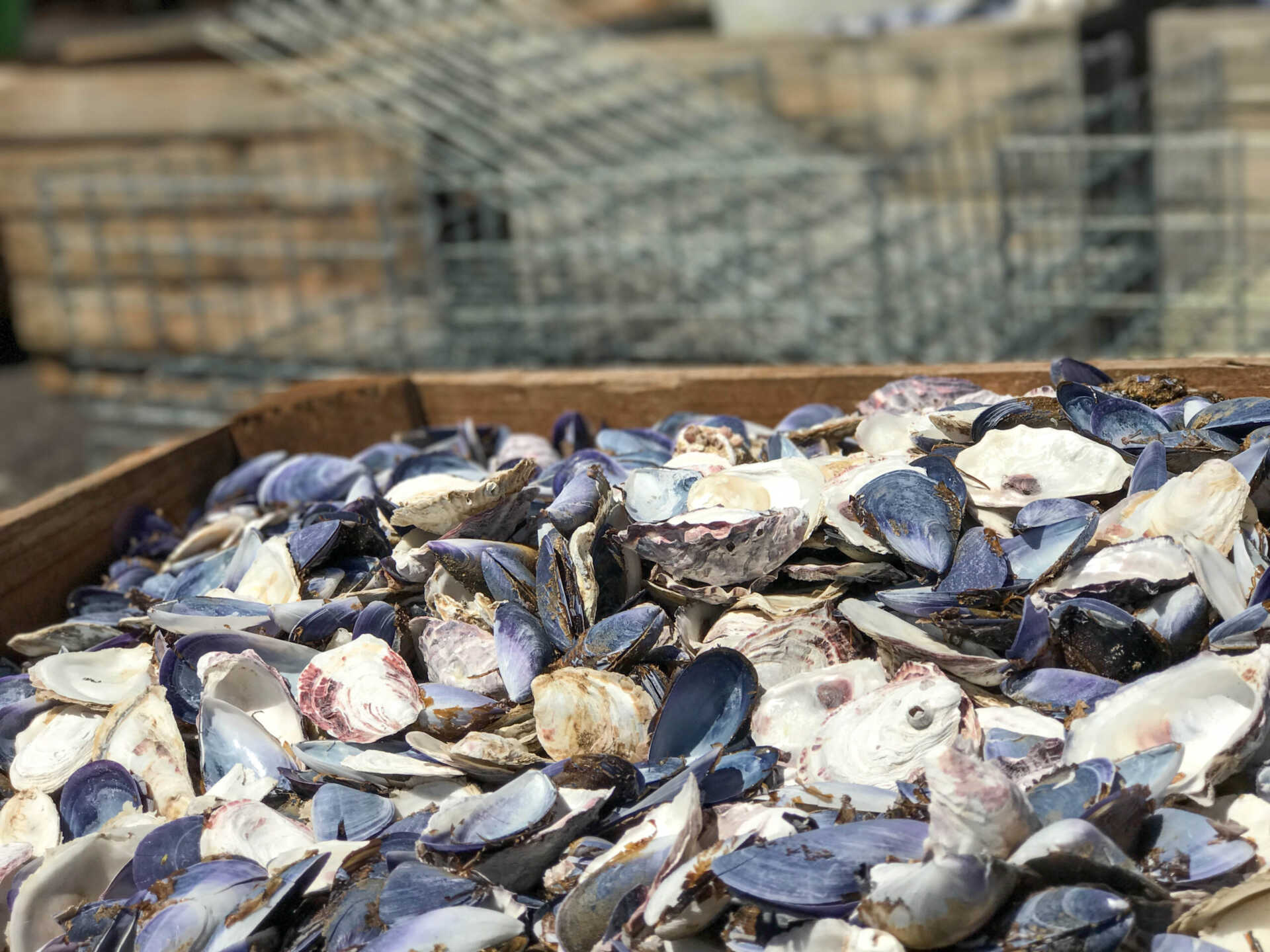
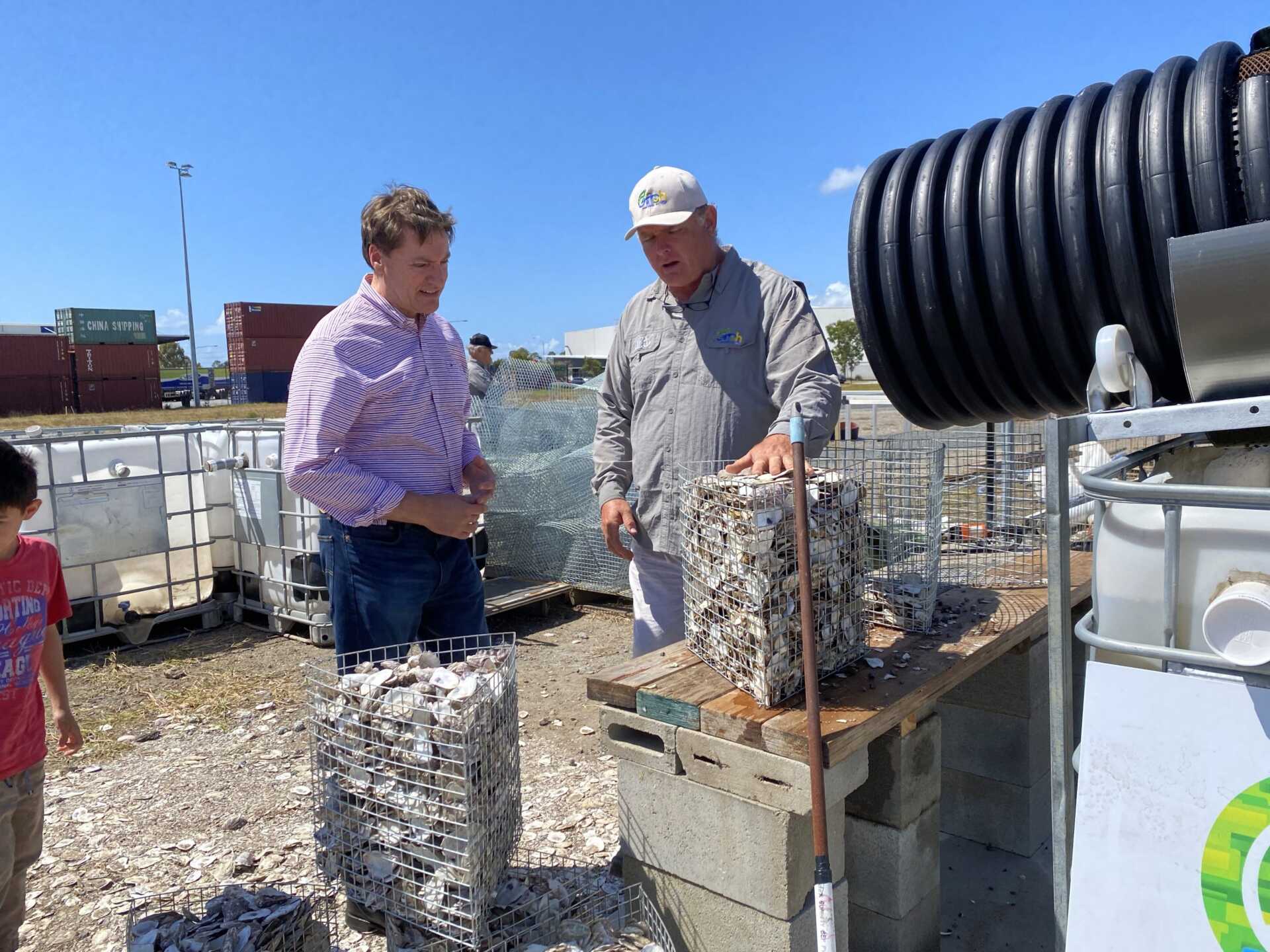
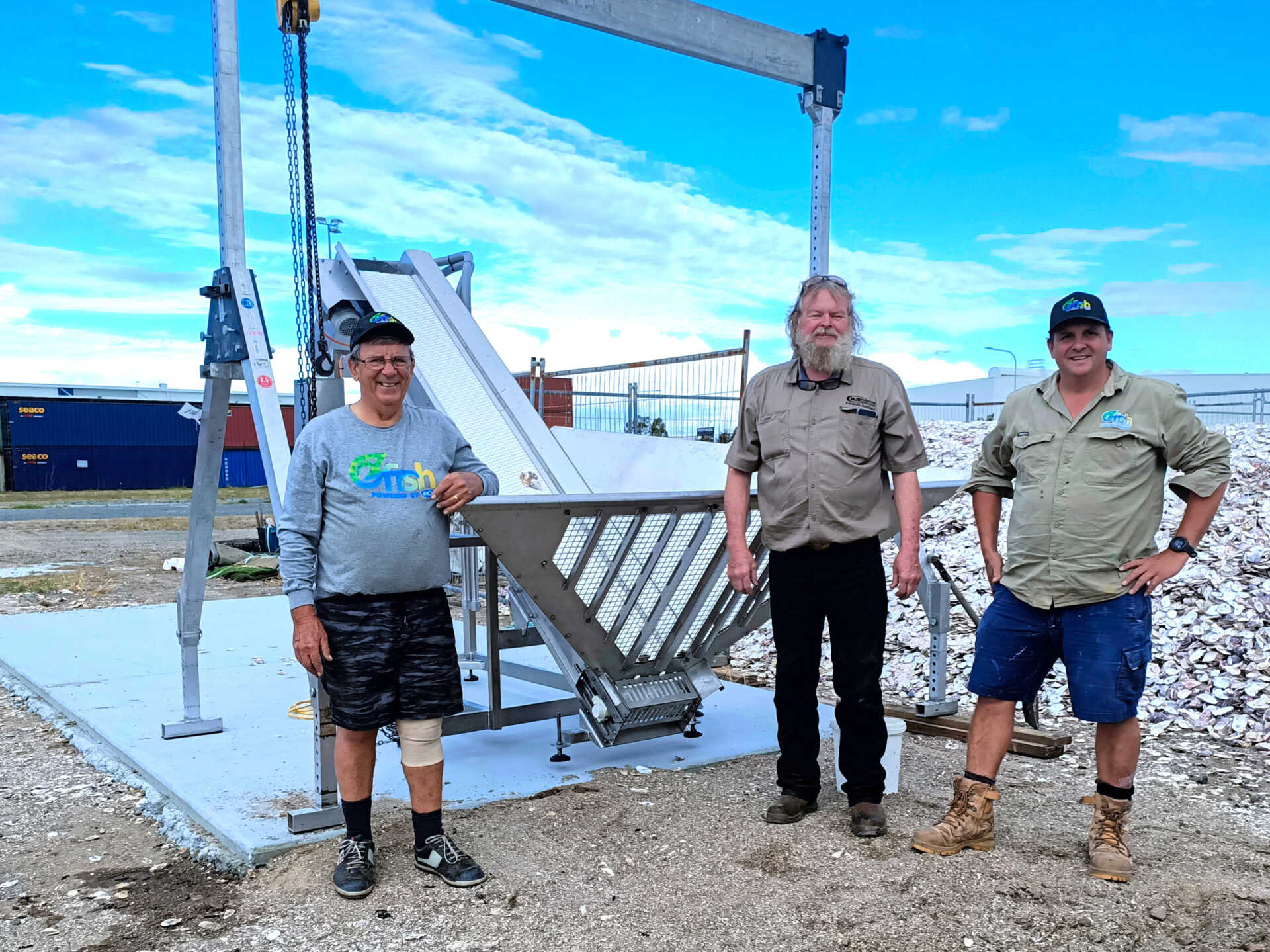
The restoration efforts take advantage of oysters’ natural tendency to grow together in clumps. One method involves collecting recycled oyster shells, and after a period of sanitation, placing them in degradable mesh baskets that are deployed in the water.
This creates a natural hard surface for baby oysters to attach, with one shell housing up to 10 baby oysters, now that’s a lot of mouths to feed!
The following are some ways OzFish and its volunteers are positively contributing to shellfish reef restoration:


Join our community of volunteers who share our determination to restore Shellfish Reefs across Australia.

Donate today to support our mission to restore oyster reefs through community-driven participation and ownership.

Help us raise funds for our restoration initiatives by becoming an OzFish member today. Learn more about member benefits!
Our shellfish reefs require ongoing maintenance, so both the fish that call them home and the communities that enjoy them can thrive. You can be part of giving back by making a donation to the Shellfish Revolution Project today.
The Shellfish Revolution Project provides a portable habitat restoration hub, that makes it possible to regenerate as much of a waterway’s catchment area as possible, not just those areas where humans congregate.
The ongoing success of the Shellfish Revolution Project will rely on the continuing engagement of local stakeholders to ensure the region’s individuals, groups and organisations can take ownership of the health of their shellfish reefs.